Region
Banská Bystrica Region
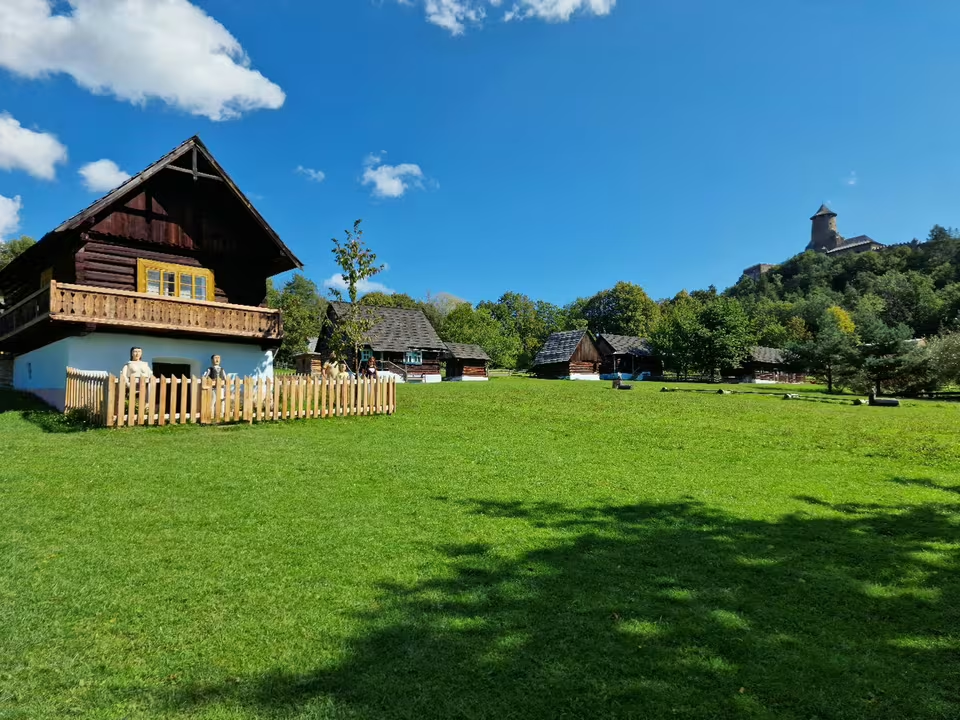
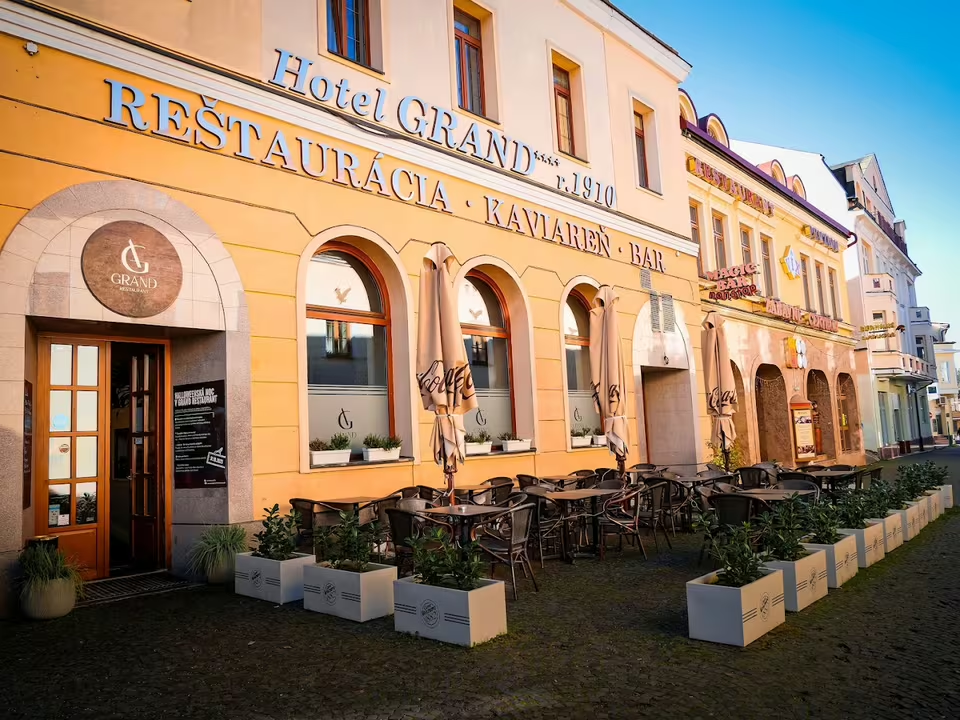
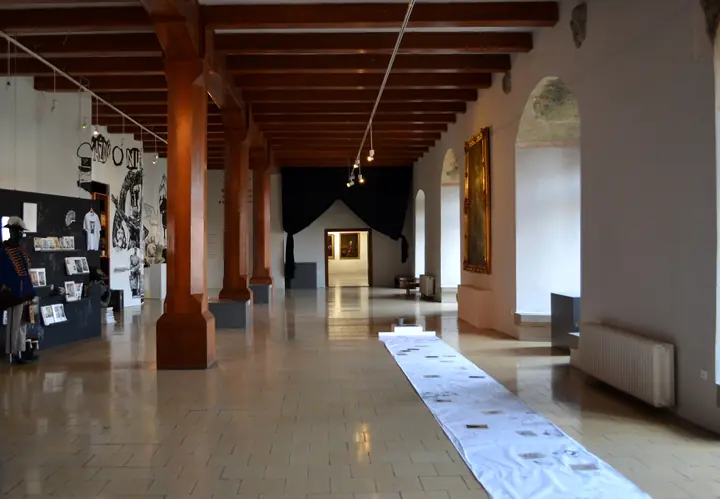
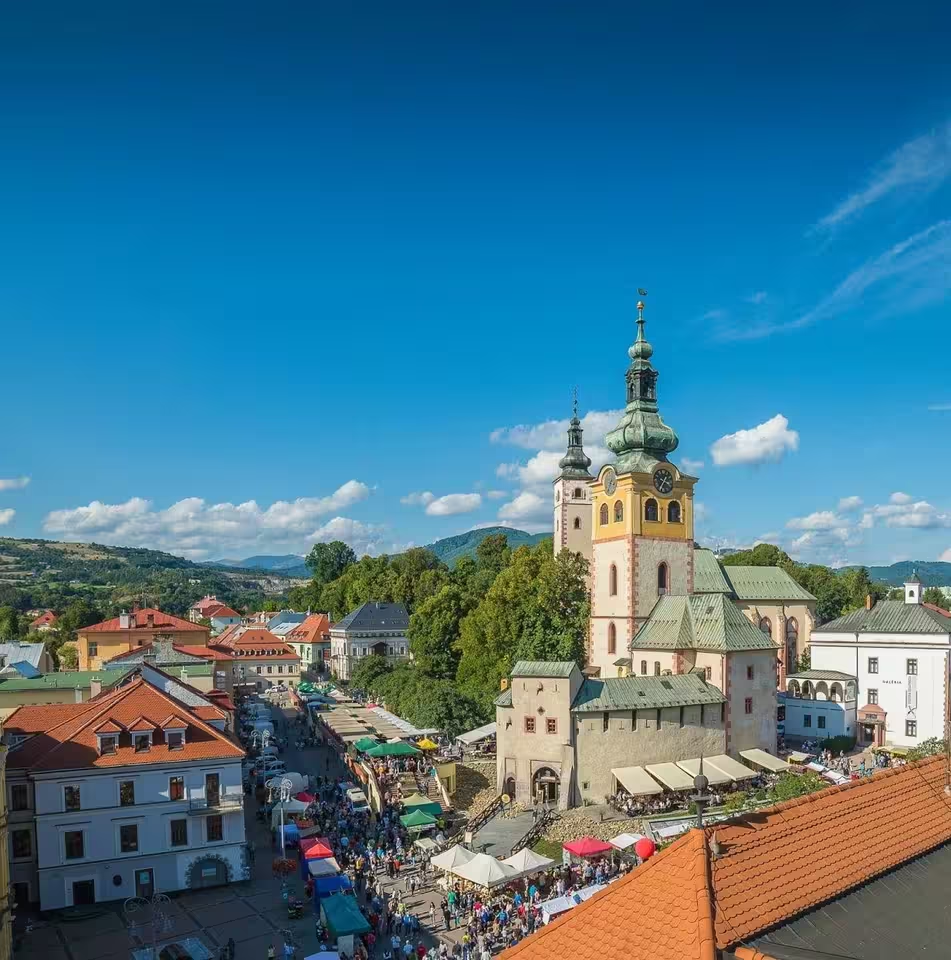
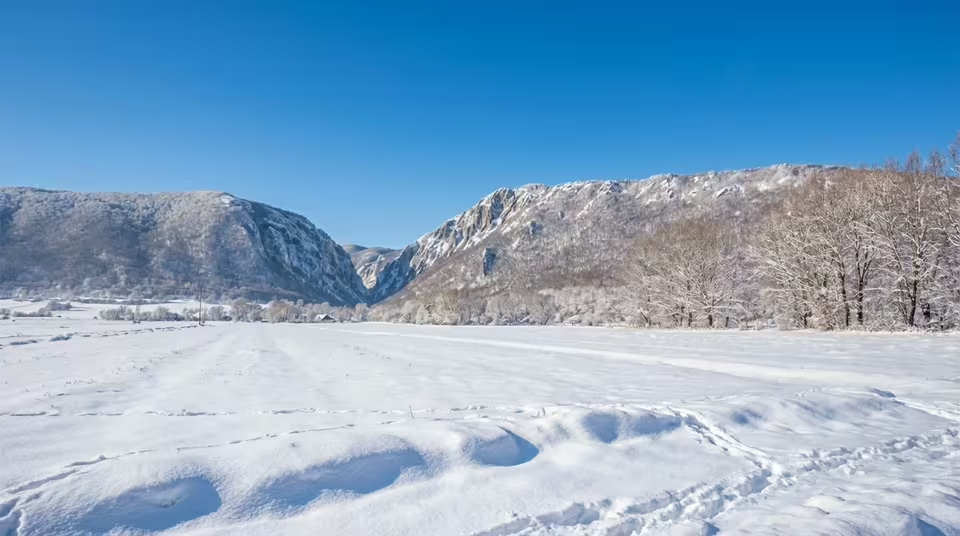
Central Slovakia’s largest region combines medieval mining towns, mountain plateaus, the Hron valley, forests and distinctive rural landscapes.
Cities and regions with practical context, selected places and itineraries.
Region
Central Slovakia’s largest region combines medieval mining towns, mountain plateaus, the Hron valley, forests and distinctive rural landscapes.
Region
Slovakia’s compact capital region combines Danube landscapes, Little Carpathian vineyards, royal castles and easy cross-border connections.
Region
Eastern Slovakia’s Košice Region combines a major historic city with Slovak Karst caves, Spiš heritage, Tokaj vineyards and Zemplín landscapes.
Region
A southern Slovak region of early medieval heritage, vineyard landscapes, manor houses, river plains and multicultural towns near the Danube.
Region
North-eastern Slovakia brings together the High Tatras, Spiš and Šariš heritage towns, wooden churches, spa landscapes and the remote Carpathians.
Region
A castle-rich region shaped by the Váh valley, historic trade routes, spa towns, forested hills and the cultural landscapes of Upper Nitra.
Region
A western Slovak region of historic churches, celebrated spa traditions, fertile lowlands, vineyards and castles beneath the Little Carpathians.
Region
Northern Slovakia’s mountain region brings together Orava, Liptov, Kysuce, Turiec and Upper Považie with castles, villages and national parks.
City
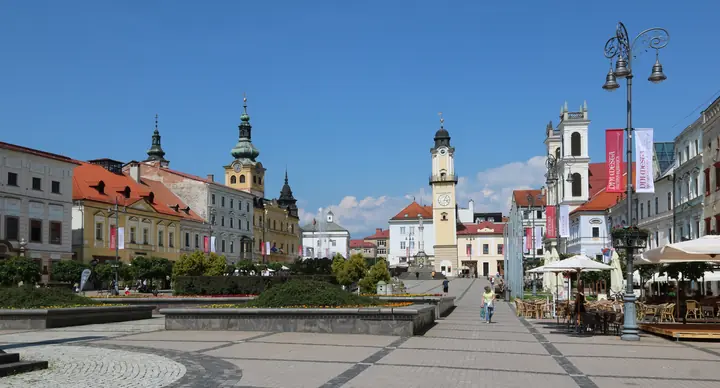
A historic central Slovak city shaped by medieval copper mining, a monumental main square, mountain scenery and the legacy of the Slovak National Uprising.
City
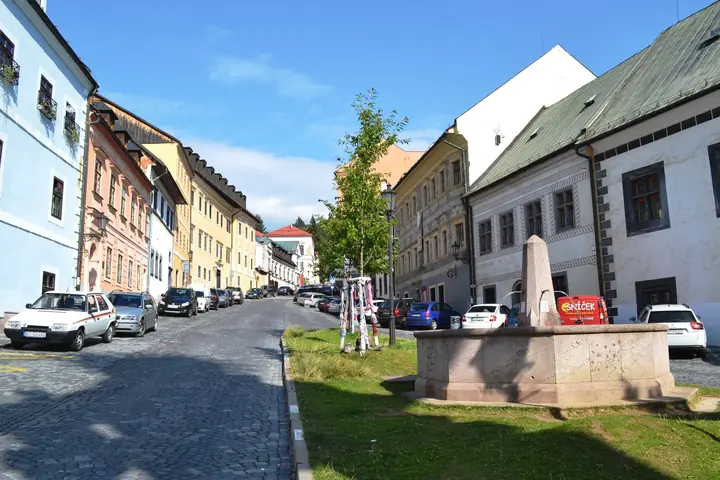
A UNESCO-listed mining town where Renaissance streets, fortified castles, historic mines and artificial lakes form one interconnected cultural landscape.
City
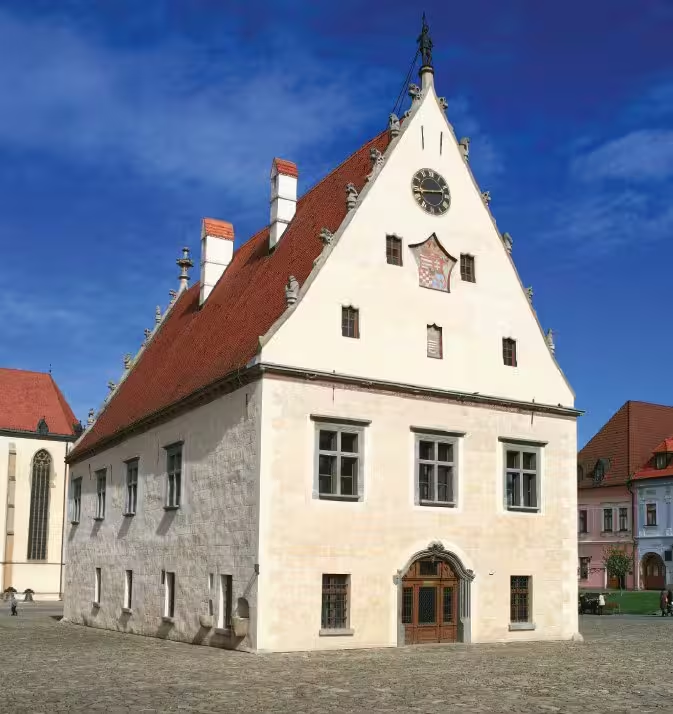
A UNESCO-listed town with a harmonious market square, preserved fortifications and a spa tradition in nearby Bardejovské Kúpele.
City
A small Váh valley village beneath a dramatic cliff-top castle ruin, first mentioned in 1200 and once fortified against Ottoman attack.
City
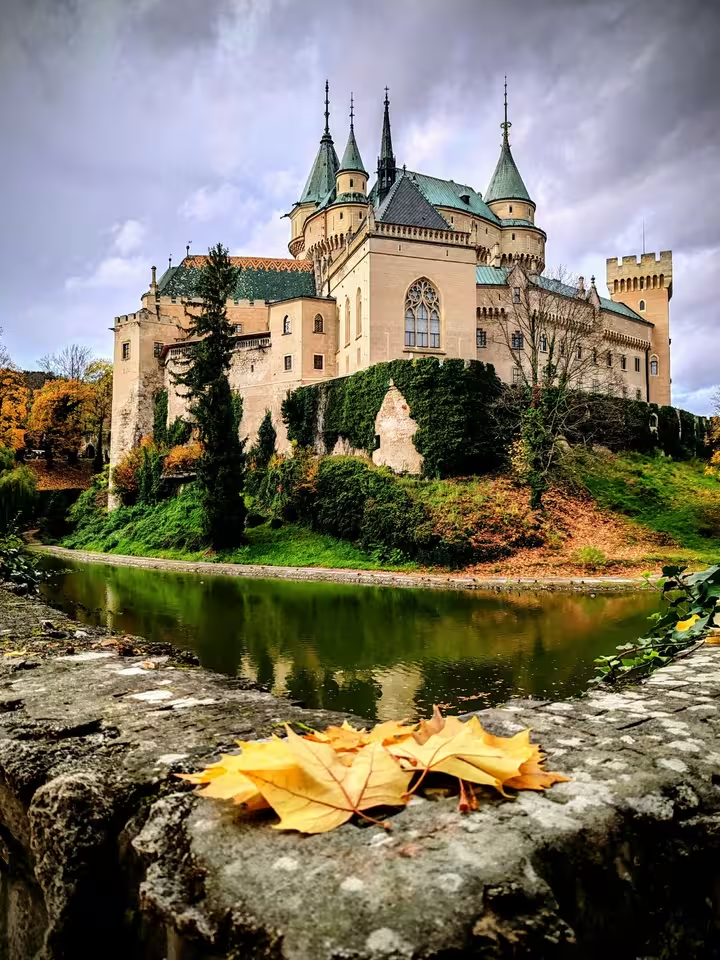
A small spa town known for its romantic castle, wooded park and family attractions within easy walking distance.
City
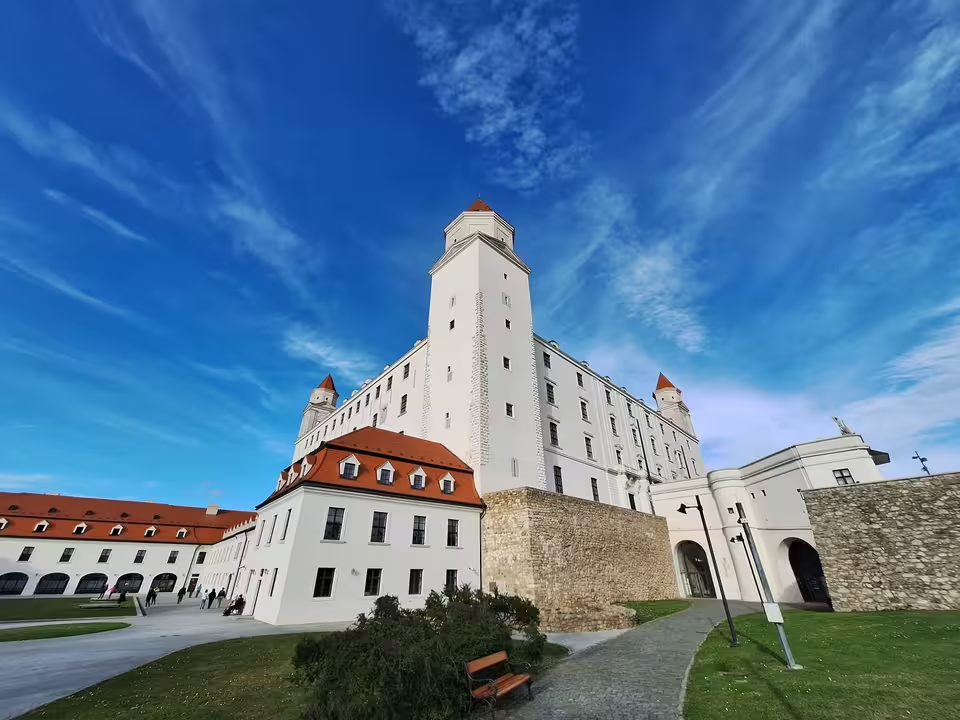
A compact Danube capital where historic streets, castle views, contemporary culture and nearby nature fit naturally into a relaxed city break.
City
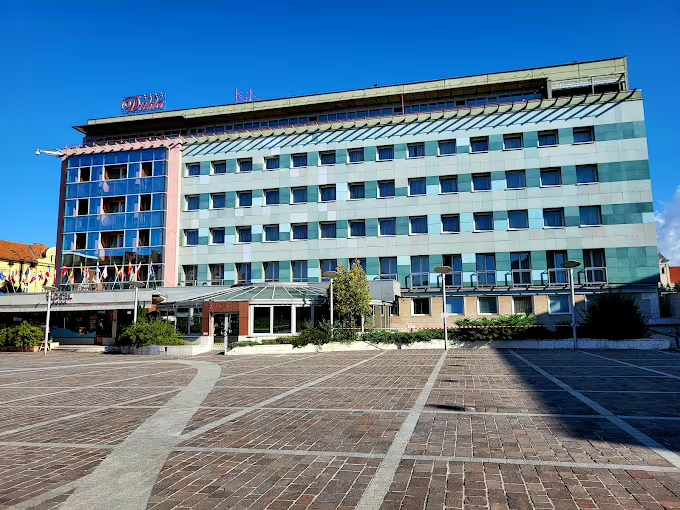
The historic centre of Horehronie, combining a former royal town, an unusually broad main square, regional museums and direct access to the Low Tatras and upper Hron valley.
City
A town documented from 1234, home to a Renaissance chateau built for the Thurzo family and the Sobášny palác (Wedding Palace), a unique building purpose-built for a single family's wedding celebrations.
City
Slovakia's smallest spa town, holding a mineral water composition so rare that only two other spas worldwide are known to share it.
City
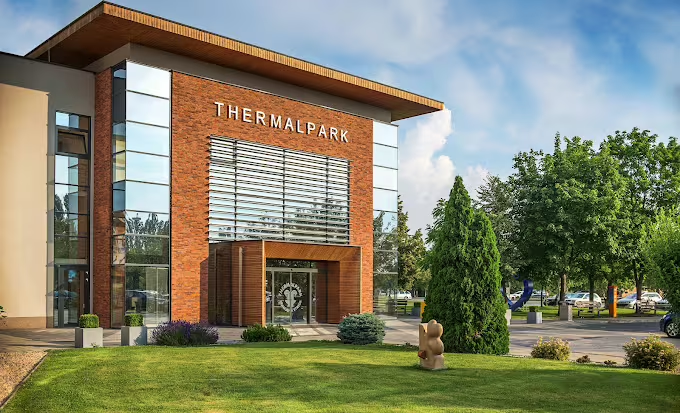
A Trnava region town whose thermal water tradition stretches back to a modest 1930s lido, now a full-scale water park drawing families from across the region.
City
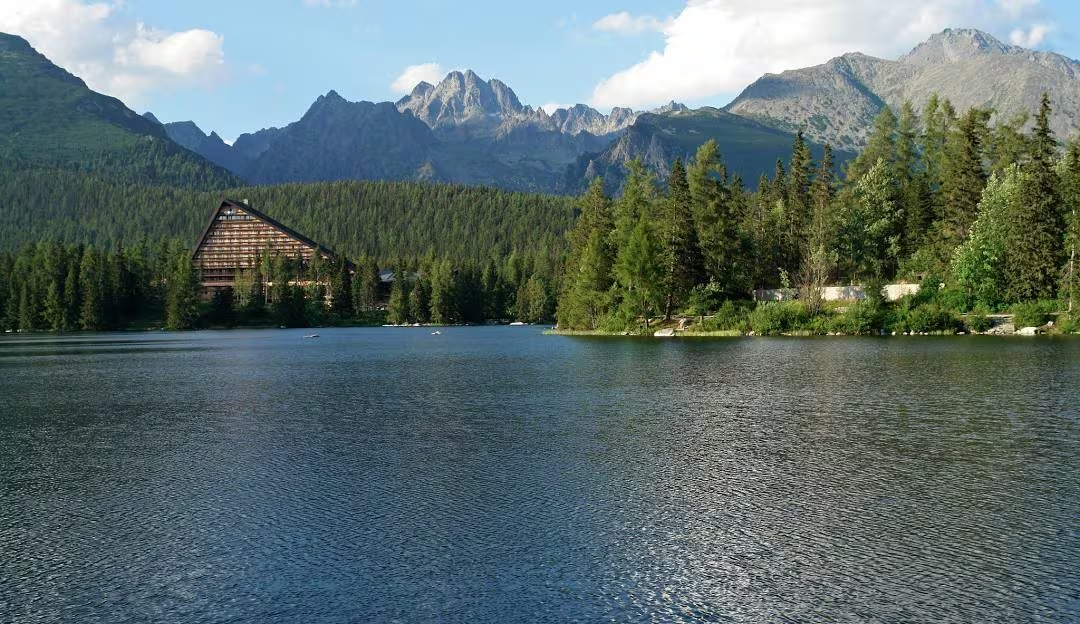
Slovakia’s alpine heartland offers marked trails, mountain lakes, waterfalls and accessible panoramic viewpoints.
City
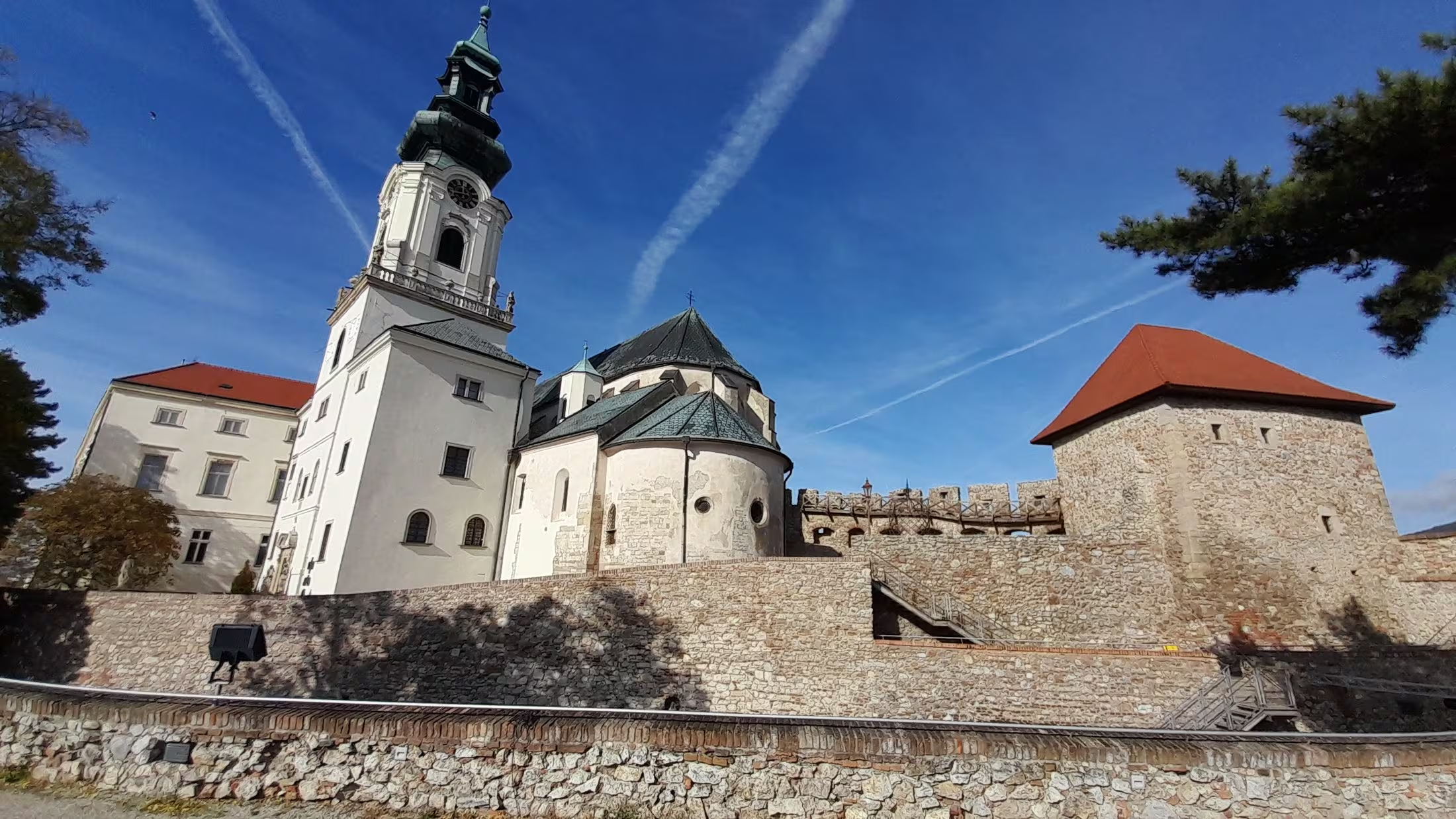
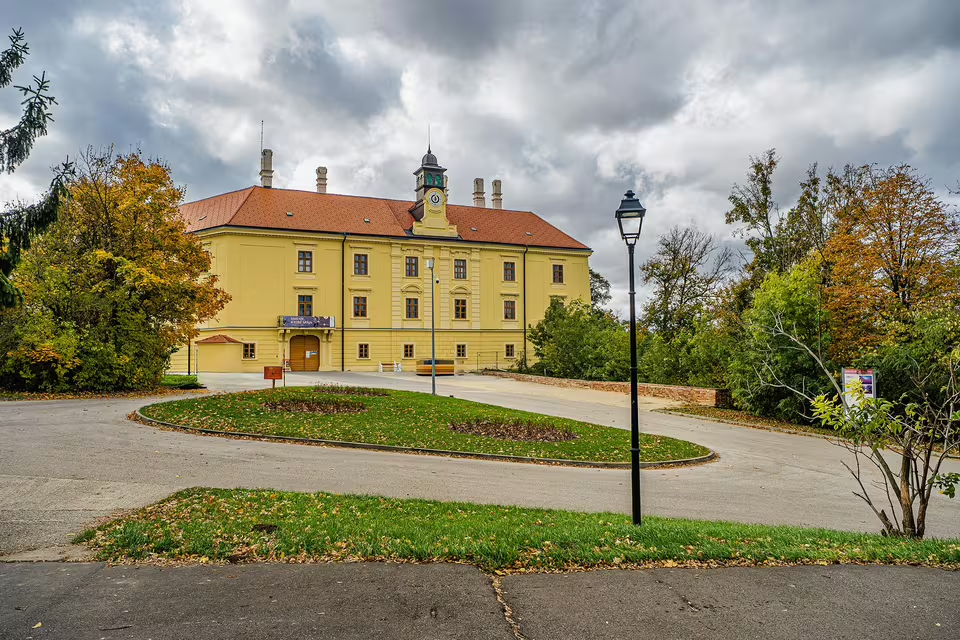
A town with roots as an 11th-century fortress, first documented in the 1113 Zobor Charter, home to an Empire-style chateau with one of the oldest preserved aristocratic theatres in Central Europe.
City
A historic Spiš free royal town chartered in 1269, home to a fortified castle-museum and a UNESCO-listed wooden church built entirely without metal.
City
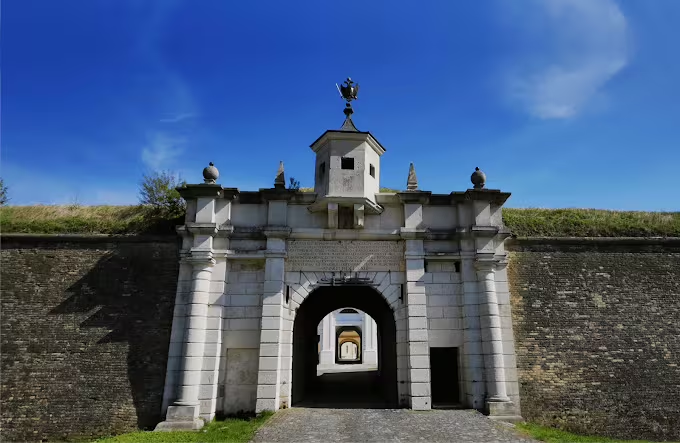
A Danube border town split from its Hungarian twin by the post-WWI Trianon border, home to the largest fortification system in Central Europe and one of Slovakia's oldest museums.
City
Eastern Slovakia’s cultural centre pairs a long pedestrian main street with Gothic architecture, museums and an easy-going café scene.
City
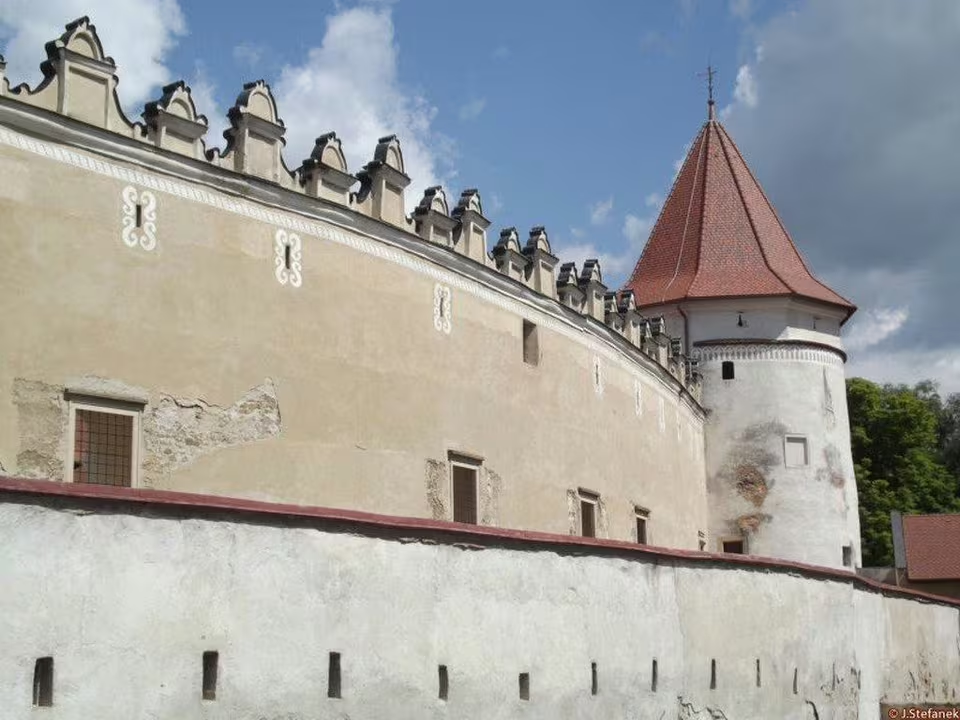
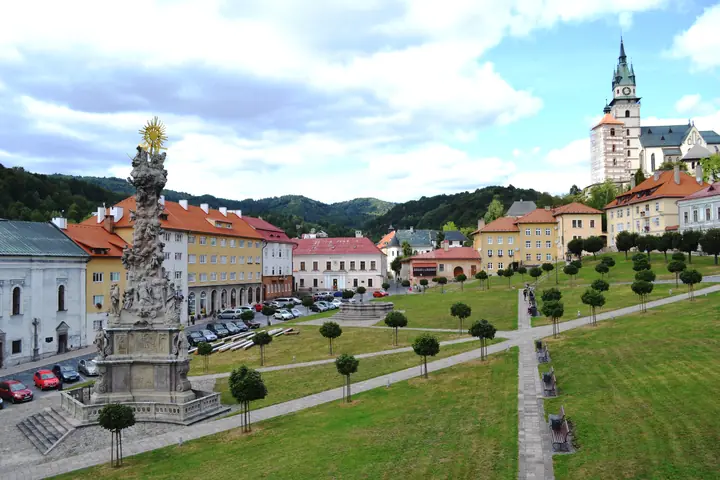
A remarkably preserved medieval mining and minting town known for its fortified castle, historic square, gold-mining heritage and continuously operating royal mint.
City
A quiet forest base below the Low Tatras for restorative stays and day trips across central Slovakia.
City
A remarkably complete walled town where a broad medieval square gathers a landmark basilica, Renaissance town hall and Spiš history.
City
A Liptov town first mentioned in 1341, named after a Gothic 'water castle' built to guard a medieval trade route, now a ruined manor complex partly restored as a private heritage site.
City
A practical base between the Low and Western Tatras, combining a small historic centre with caves, water and mountain day trips.
City
The declared centre of Slovak national culture, home to the country's oldest and largest Slovak National Museum branch and the seat of Matica slovenská, set at the foot of the Malá Fatra mountains.
City
The gateway town to Zemplínska šírava, an artificial reservoir so large that Slovaks simply call it "the Slovak sea."
City
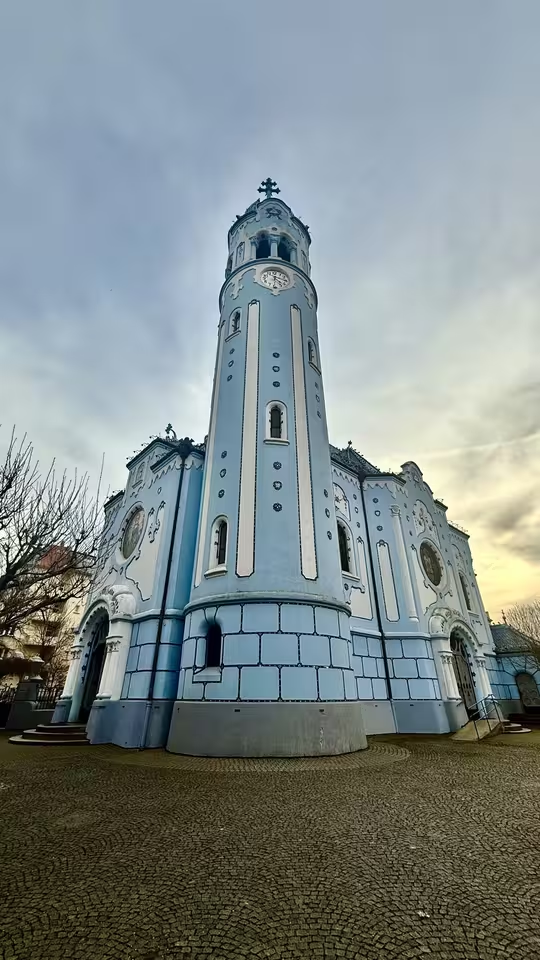
A Small Carpathian wine town first mentioned in 1158, known for its blue-and-white majolika ceramics tradition and as the place where Slovak national figure Ľudovít Štúr spent his final years.
City
One of Slovakia’s oldest cities layers castle architecture, sacred heritage, university life and the green slopes of Zobor.
City
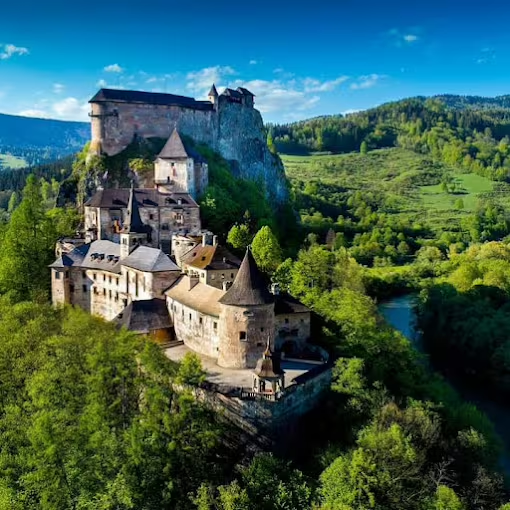
A small Orava village beneath one of Slovakia’s most photographed castles, a rock-top fortress rising 112 metres above the Orava River.
City
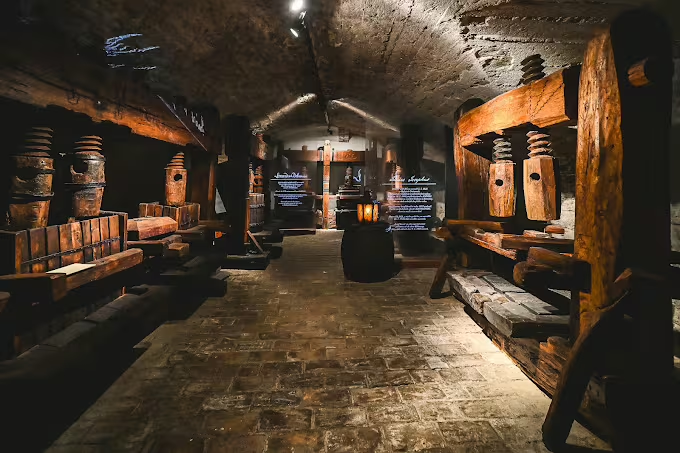
A Small Carpathian wine town first mentioned in 1208, home to a museum of regional wine culture and a moated medieval chateau rebuilt by the Pálffy family.
City
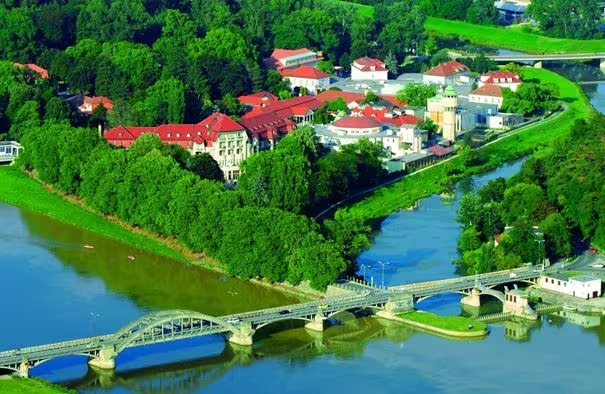
Slovakia’s best-known spa town is shaped by the Váh, leafy parks, modernist landmarks and the pedestrian route to Spa Island.
City
A small Nitra region village that became one of Slovakia's most visited thermal destinations after failed oil exploration accidentally struck exceptional geothermal water.
City
Slovakia's third-largest city and the historic capital of the Šariš region, built on wealth from salt, wine and lace trading and centred on one of the country's longest pedestrian squares.
City
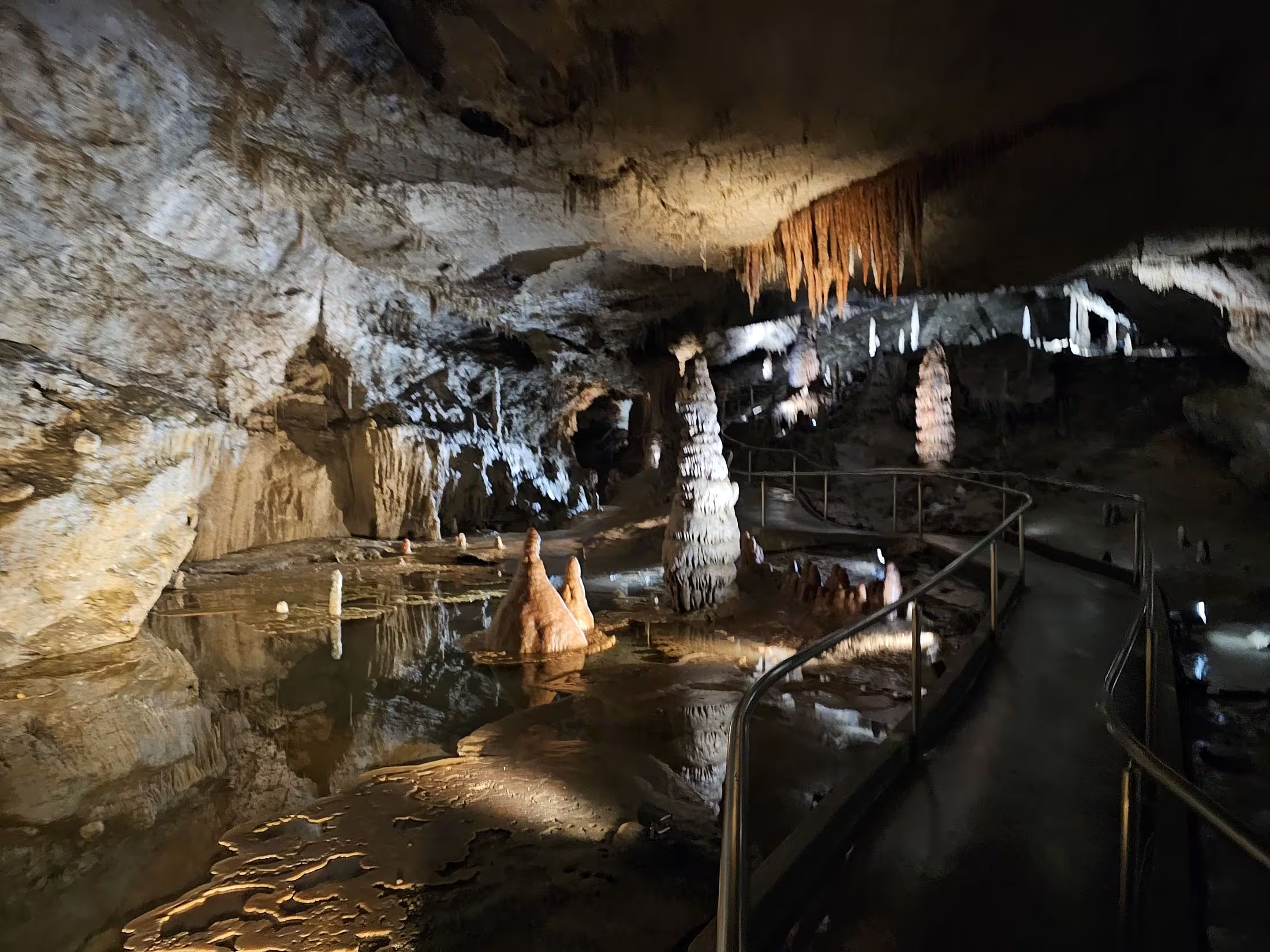
A former medieval mining town and Roman Catholic diocesan seat since 1776, and the main gateway town to the UNESCO-listed Slovak Karst caves.
City
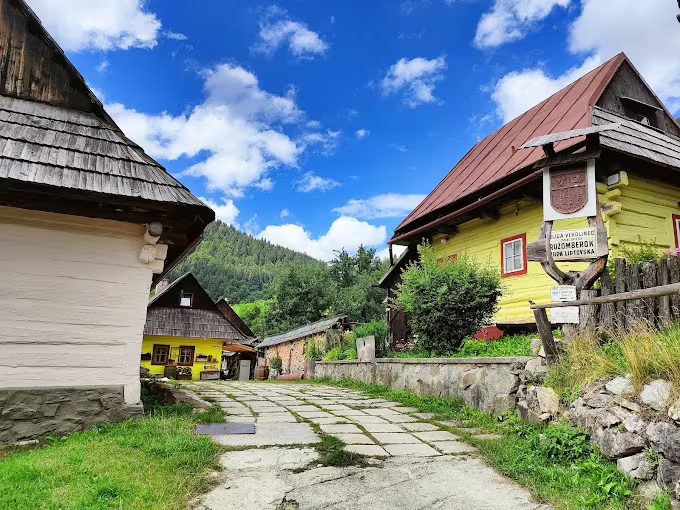
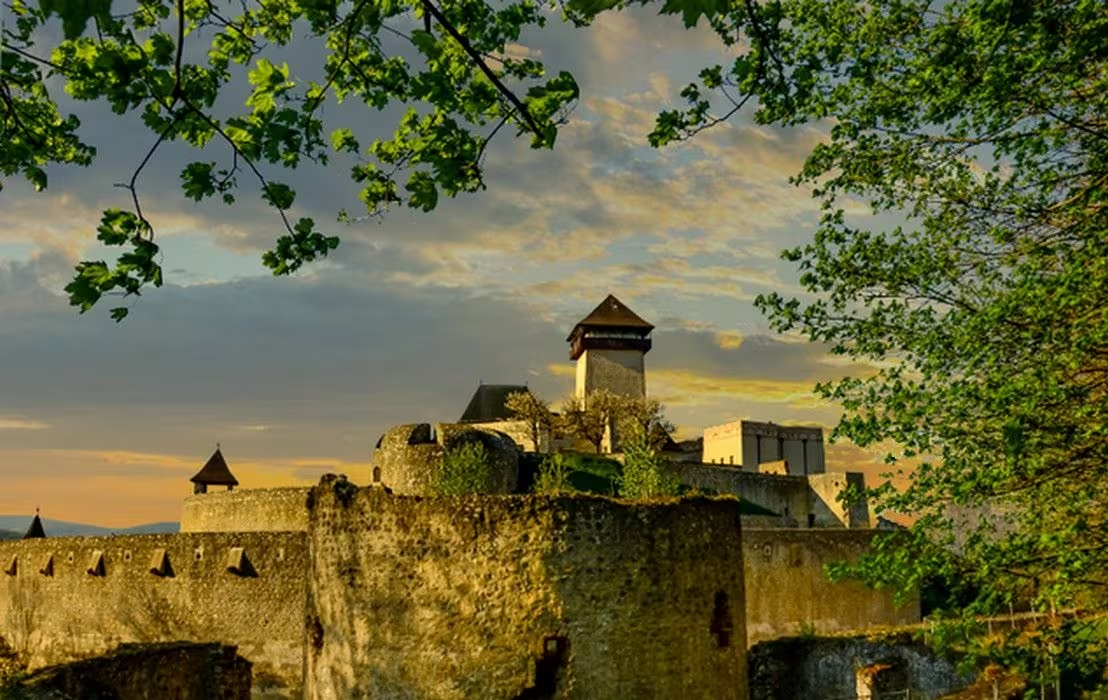
An industrial Liptov town whose municipal boundary quietly includes Vlkolínec, a UNESCO World Heritage folk-architecture village of wooden houses.
City
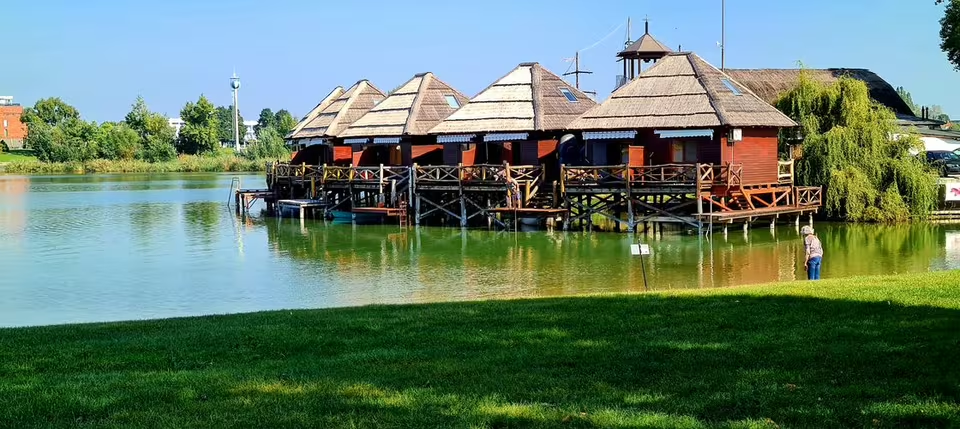
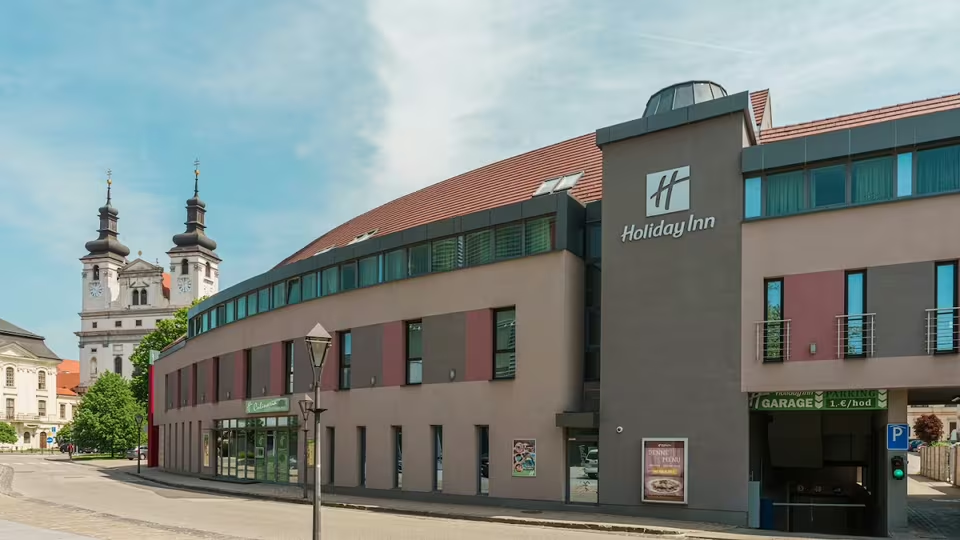
A lakeside town just outside Bratislava, built around former gravel pits that became one of Slovakia's most popular summer lake resorts.
City
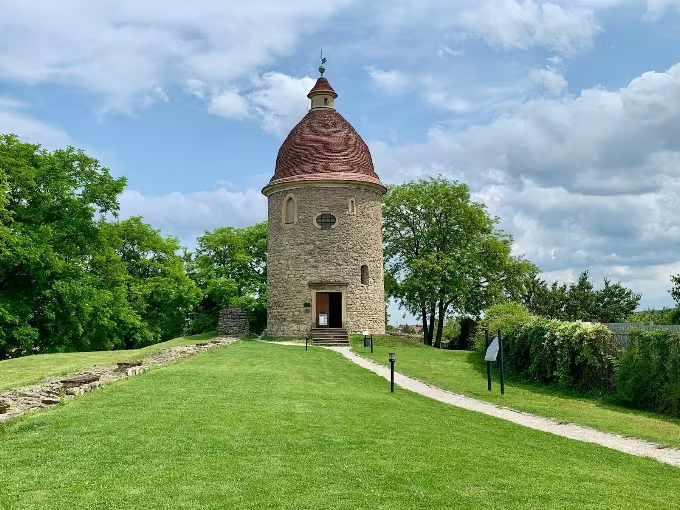
A royal town chartered in 1372, briefly the de facto capital of Slovakia in 1918, preserving one of the country's oldest Romanesque rotundas within its historic town walls.
City
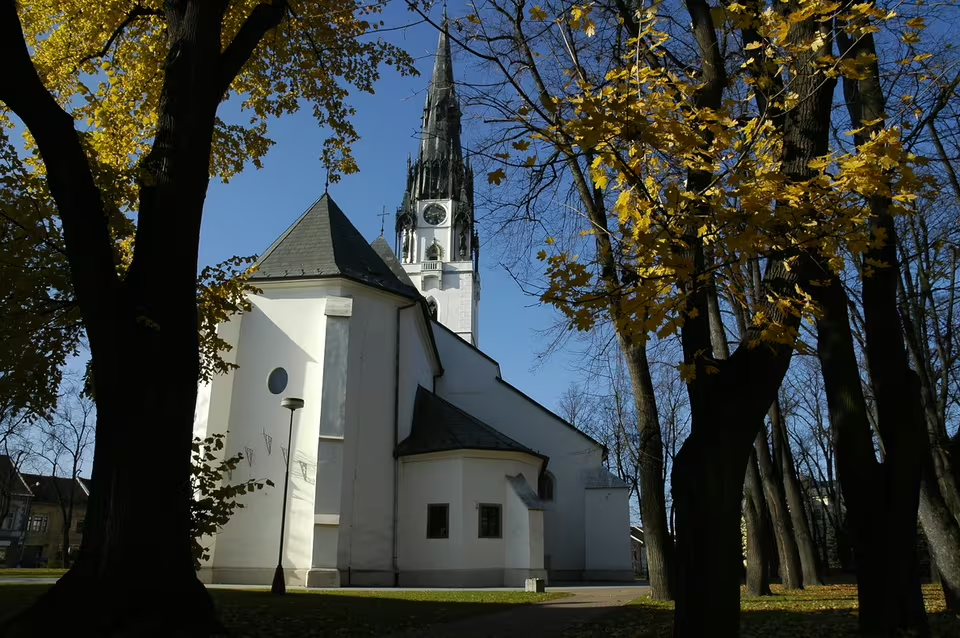
A former mining town formed from a Slavic settlement and German colonists after the 13th-century Tatar invasions, home to the tallest church tower in Slovakia and the main gateway to Slovenský raj National Park.
City
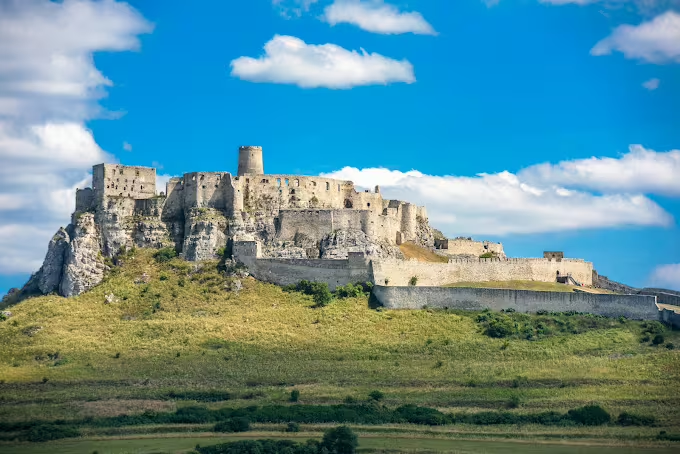
A small Spiš town first mentioned in 1249, standing in the shadow of one of the largest castle complexes in Central Europe and a walled medieval church settlement, both part of a single UNESCO World Heritage listing.
City
A town pledged to Poland as loan security for 360 years, home to Ľubovnianský hrad, a hilltop castle with an adjoining open-air folk museum.
City
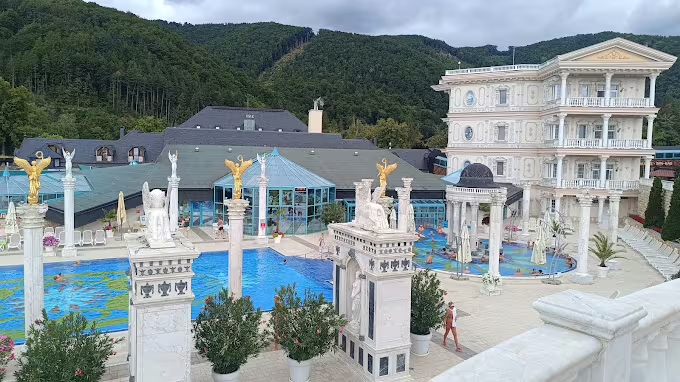
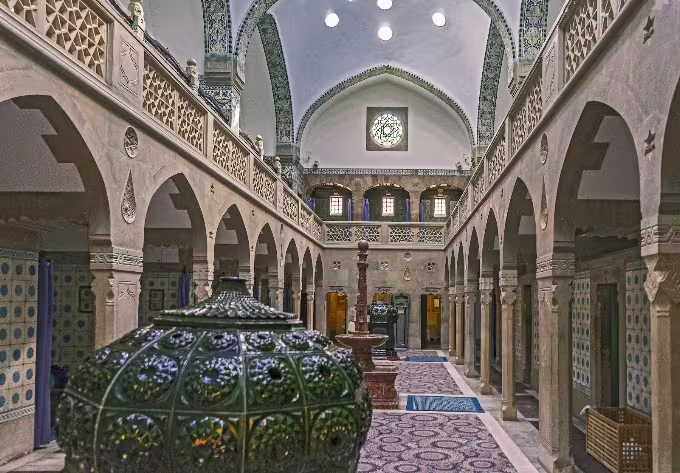
A historic spa town in a narrow Carpathian valley, home to one of Europe's most unusual bathhouses — a Moorish-style Hammam with no direct architectural parallel on the continent.
City
A compact Váh Valley city dominated by a cliff-top castle, with a walkable centre, Roman history and wooded trails close by.
City
Slovakia's oldest royal town and a former seat of the Catholic Church in the Kingdom of Hungary, nicknamed 'Little Rome' for the church towers that still define its skyline.
City
A regional capital where the Kysuca and Váh rivers meet, anchored by a Romanesque castle keep, a Bauhaus-era synagogue turned arts centre and a historic main square of preserved medieval arcades.
City
A historic central Slovak royal town defined by a Gothic castle, the extensive Pustý hrad complex and its strategic position at the confluence of the Hron and Slatina rivers.