Skip to content
Trelovanta
Destination guide

Modra

Bratislava Region, Slovakia

A Small Carpathian wine town first mentioned in 1158, known for its blue-and-white majolika ceramics tradition and as the place where Slovak national figure Ľudovít Štúr spent his final years.

Things to do
1
Trips
0
Stays
0
Restaurants
0
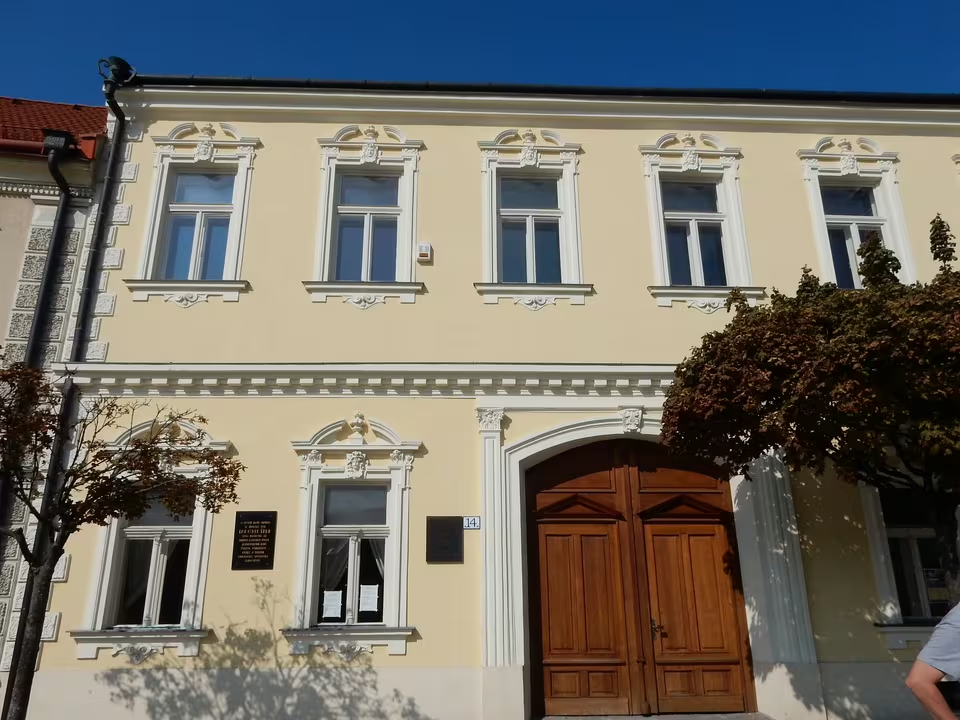
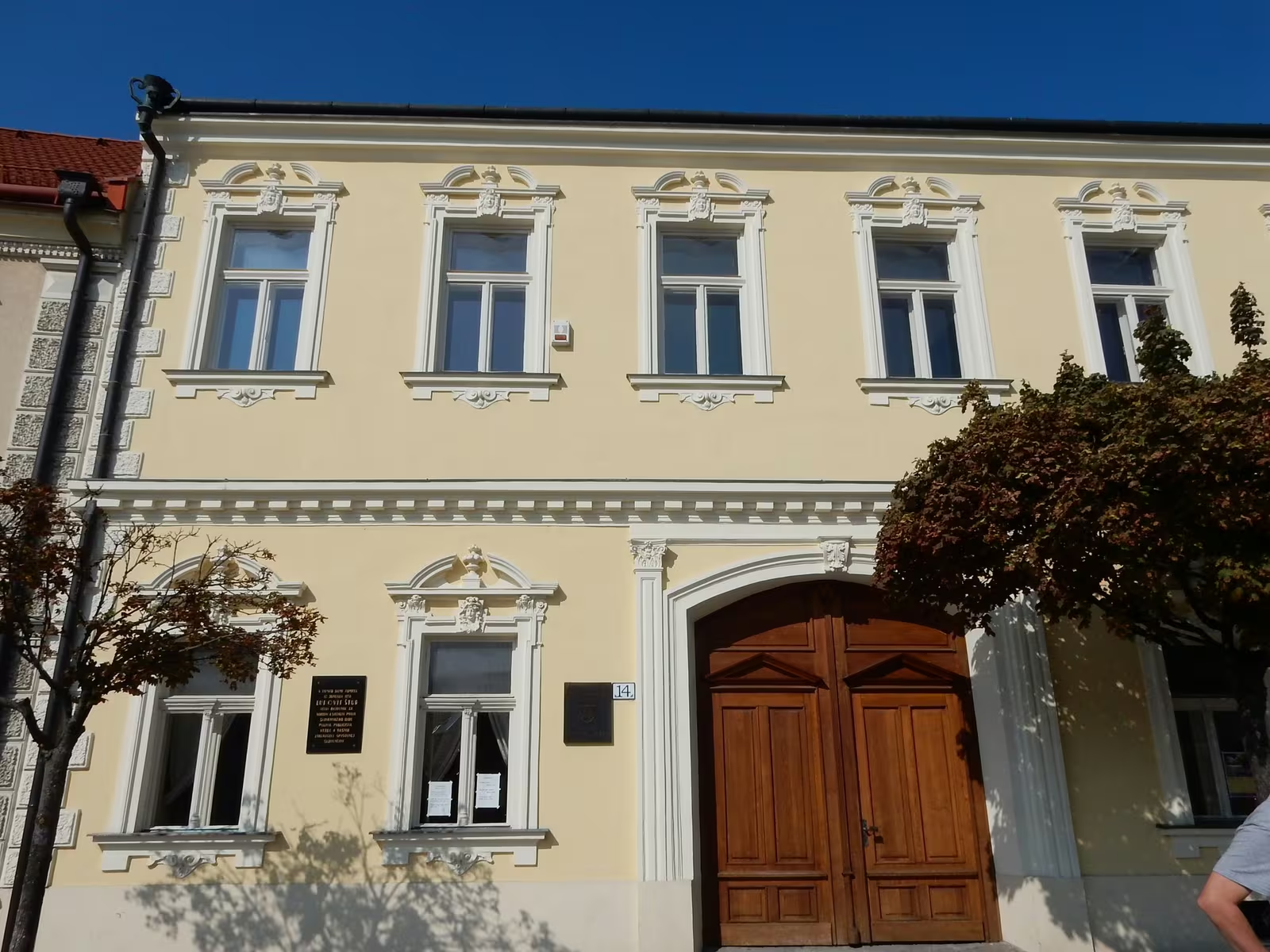
Ľudovít Štúr Museum, Modra — image 1
Destination overview

A wine and ceramics town where Ľudovít Štúr spent his final years

Modra was first mentioned in 1158 and became a free royal town in 1607, building its wealth on Small Carpathian viticulture documented since 1321. In the 19th century it developed a second identity as a centre of majolika, a distinctive blue-and-white folk ceramics tradition, with a ceramics school founded in 1883 that still shapes the town's craft economy today.

Modra's most significant historical connection, though, is to Ľudovít Štúr, the leading figure of the 19th-century Slovak national revival and codifier of standard written Slovak. Štúr moved to Modra in 1851 and died in the town on 12 January 1856, in a house on the main square now preserved as a museum. The wider memorial complex around his life and death was declared a National Cultural Monument in 1994.

Discover

Top things to do

Attractions, activities and experiences kept separate from stays and dining.

See all things to do in Modra
By interest

Browse things to do by category

Before you go

Practical destination guidance

Recommended duration

Half a day

Best time to visit

May to October suits both the museum's fuller Saturday opening hours and the surrounding wine region's harvest and tasting season.

Getting around

Modra's historic centre is compact and walkable. The town is a short drive or regional train ride from Bratislava, and pairs naturally with Pezinok and the wider Small Carpathian wine route.