Skip to content
Trelovanta
Destination guide

Brezno

Banská Bystrica Region, Slovakia

The historic centre of Horehronie, combining a former royal town, an unusually broad main square, regional museums and direct access to the Low Tatras and upper Hron valley.

Things to do
2
Trips
1
Stays
0
Restaurants
0
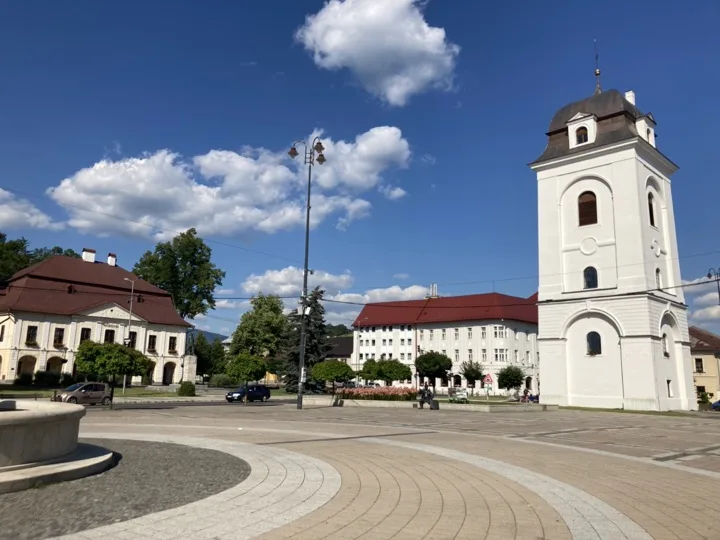
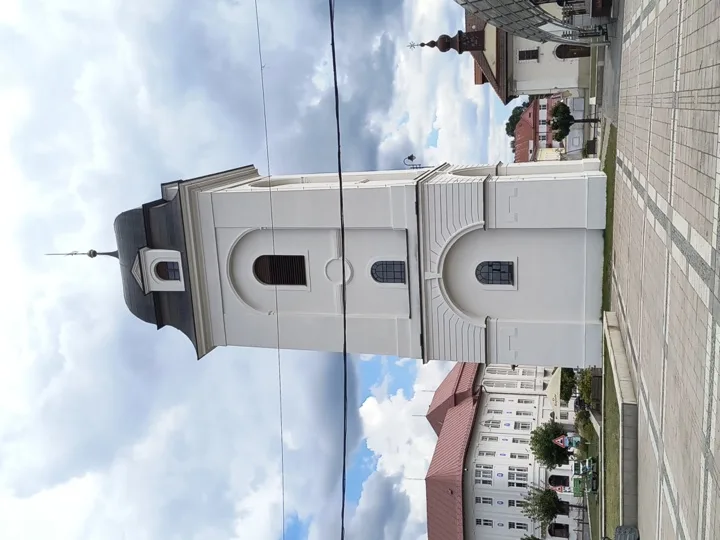
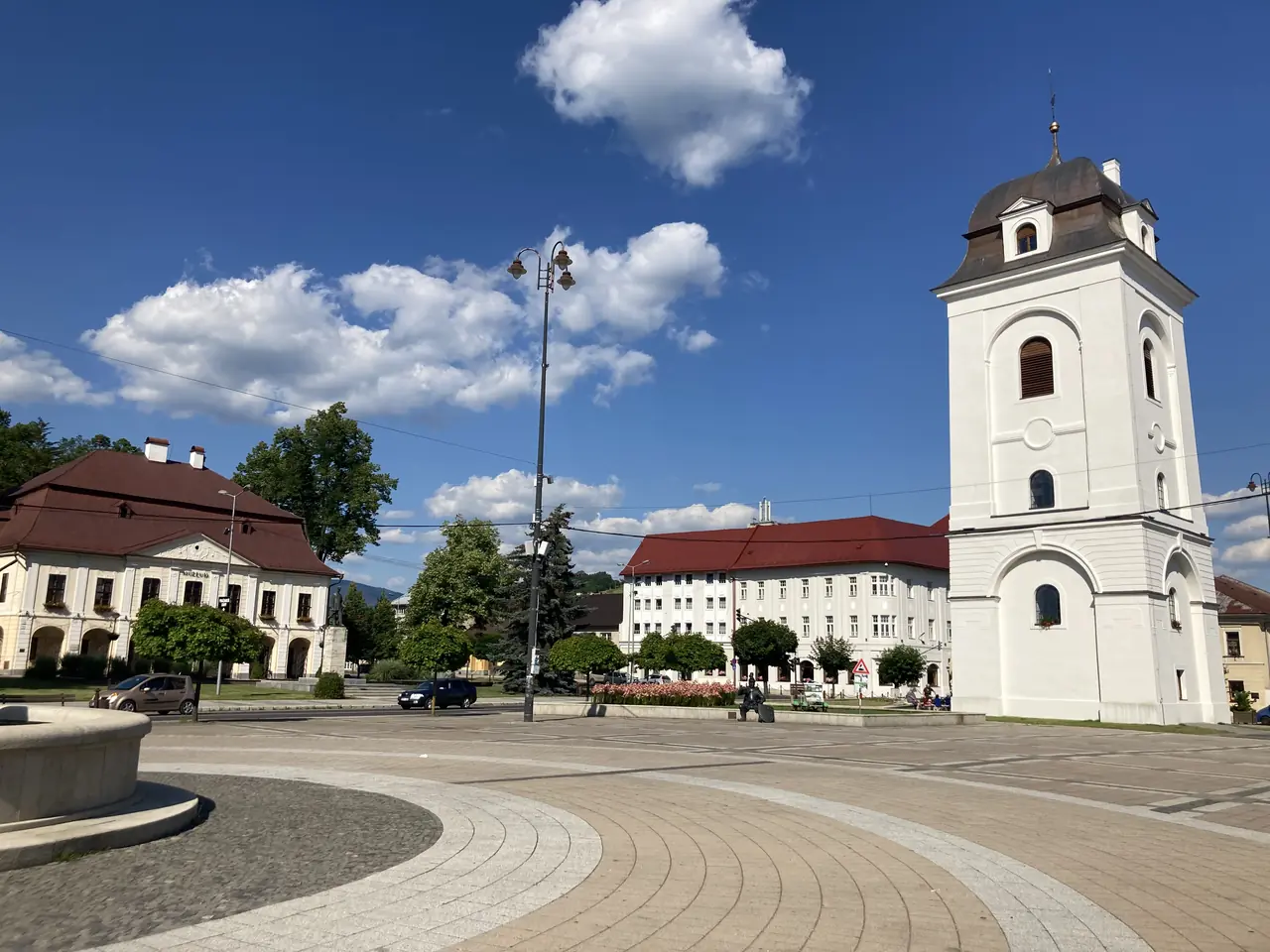
Historic centre and main square of Brezno
Destination overview

A former royal town at the cultural and geographic centre of Horehronie

Brezno stands in the upper Hron valley between the Low Tatras and the Slovak Ore Mountains. Its position made it a natural administrative, commercial and cultural centre for Horehronie, while the surrounding forests, mineral resources and mountain routes shaped its economy.

The earliest known written reference to the territory dates from 1265. King Louis I granted the settlement town privileges in 1380, and Brezno later developed through mining, metalworking, forestry, agriculture and organised crafts. In 1650 it entered the group of free royal towns.

Fire repeatedly altered the built environment. The destructive fire of 1779 damaged more than one hundred houses as well as major public and religious buildings. Much of the centre was subsequently rebuilt, creating the combination of late Baroque, Classical and later architecture visible today.

Discover

Top things to do

Attractions, activities and experiences kept separate from stays and dining.

See all things to do in Brezno
By interest

Browse things to do by category

Brezno

Suggested itineraries

Routes that connect individual stops into a clear day.

View all
Before you go

Practical destination guidance

Recommended duration

1 day in the city; 2–4 days when used as a Horehronie base

Best time to visit

May to October is best for combining the historic centre with mountain and regional excursions. Winter is suitable for museums, local culture and access to nearby ski areas.

Getting around

The historic centre is compact and walkable. Brezno has railway and regional bus connections along the upper Hron valley. A car is useful for dispersed mountain attractions, caves, reservoirs and smaller villages.