Skip to content
Trelovanta
Destination guide

Banská Štiavnica

Banská Bystrica Region, Slovakia

A UNESCO-listed mining town where Renaissance streets, fortified castles, historic mines and artificial lakes form one interconnected cultural landscape.

Things to do
2
Trips
1
Stays
0
Restaurants
0
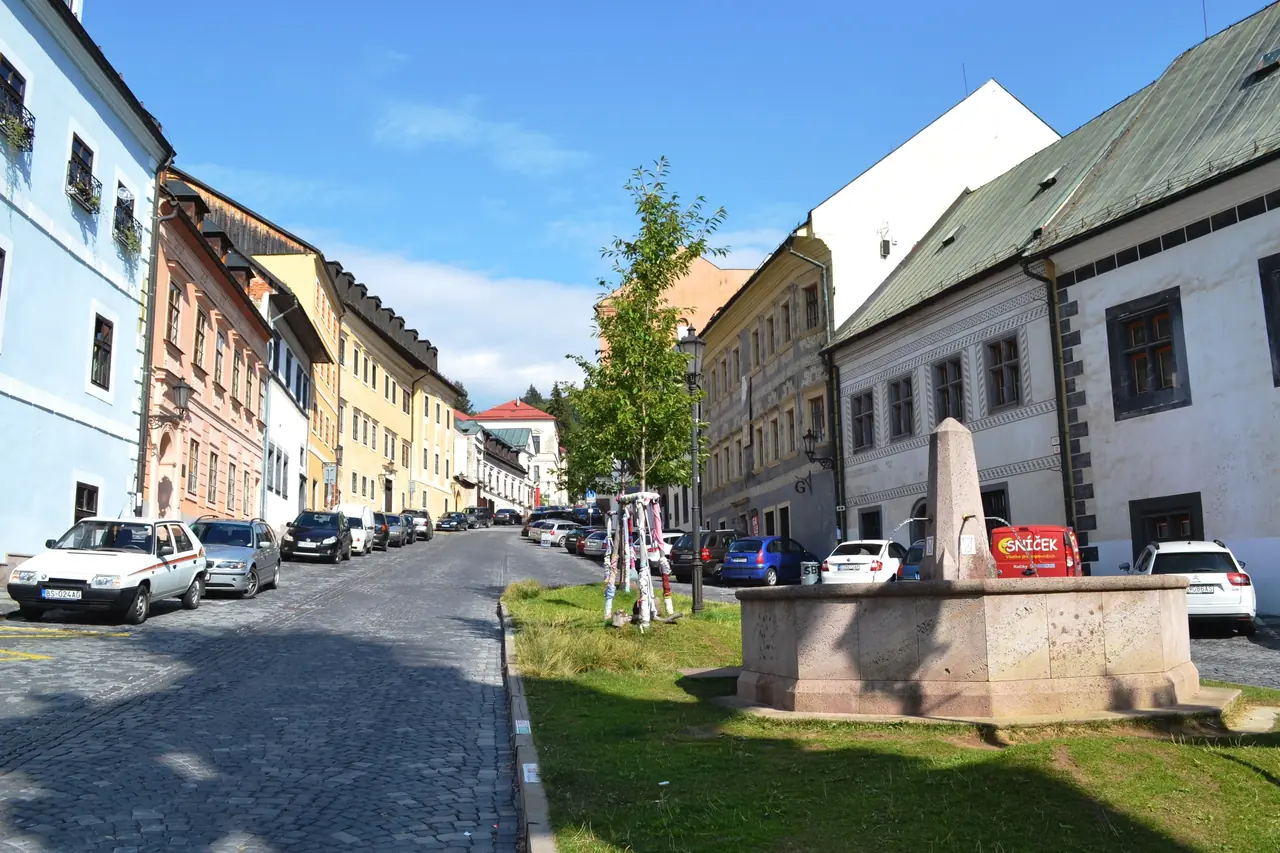
Holy Trinity Square in the historic centre of Banská Štiavnica
Destination overview

A historic silver-mining city shaped as much by engineering as by architecture

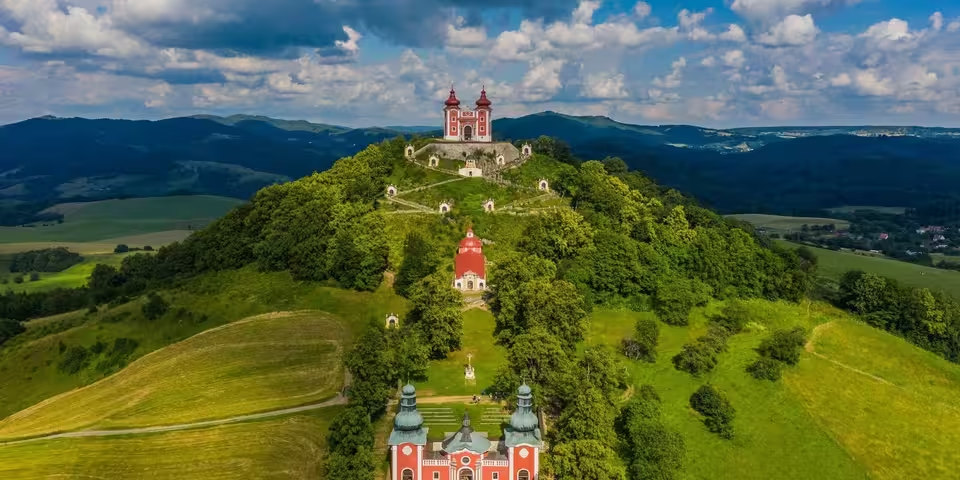
Banská Štiavnica occupies a steep volcanic valley in the Štiavnické Mountains, where urban development followed the veins of gold and silver hidden below the surrounding slopes. Mining in the area has ancient roots, while the medieval settlement became one of the most important mining centres in the Kingdom of Hungary.

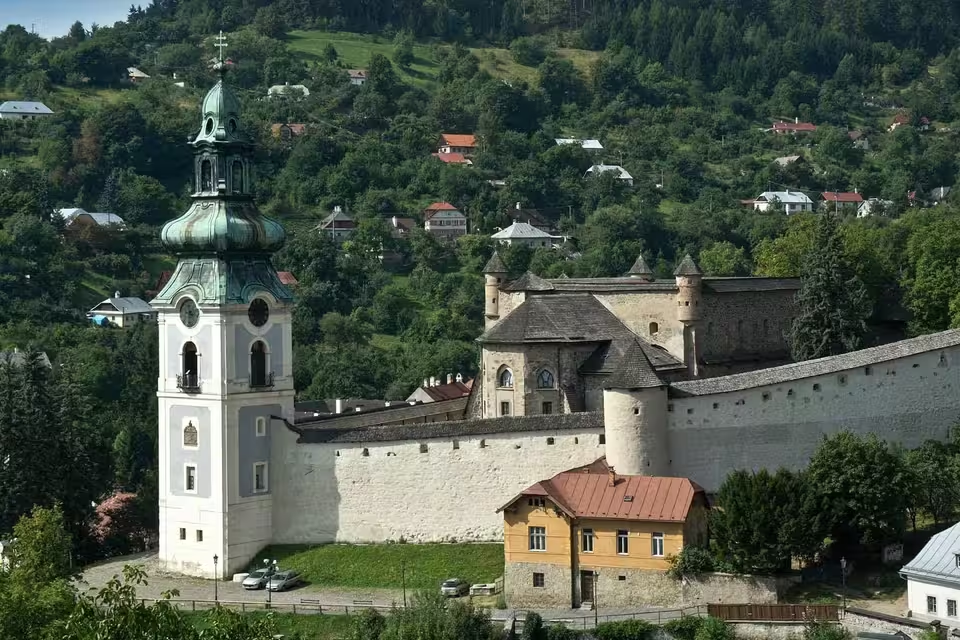
The surviving town reflects the prosperity and technical expertise generated by mining. Late Gothic and Renaissance burgher houses line the rising streets and squares, while the Church of Saint Catherine, the town hall, the Old Castle and the New Castle mark different stages of the city’s religious, civic and defensive history. Holy Trinity Square forms the monumental centre of this unusually layered townscape.

Banská Štiavnica was never isolated from its industrial surroundings. Shafts, adits, processing sites, water channels and artificial reservoirs extended far beyond the built-up centre. The system of reservoirs known as tajchy collected and redirected water to power mining machinery. Developed over several centuries, this engineered landscape became one of the defining achievements of the region.

Discover

Top things to do

Attractions, activities and experiences kept separate from stays and dining.

See all things to do in Banská Štiavnica
By interest

Browse things to do by category

Banská Štiavnica

Suggested itineraries

Routes that connect individual stops into a clear day.

View all
Before you go

Practical destination guidance

Recommended duration

2 full days; 3–4 days with mines, tajchy, museums and mountain walks

Best time to visit

May to October is best for combining museums, underground tours, historic streets and walks around the tajchy. Winter offers a quieter atmosphere, but outdoor access and opening schedules require additional planning.

Getting around

The historic centre is compact but steep, with cobbled streets and significant elevation changes. Most central monuments are reachable on foot. A car or regional bus is useful for the mining museum, distant reservoirs and surrounding villages. Parking within the protected centre is limited.