Skip to content
Trelovanta
Destination guide

Banská Bystrica

Banská Bystrica Region, Slovakia

A historic central Slovak city shaped by medieval copper mining, a monumental main square, mountain scenery and the legacy of the Slovak National Uprising.

Things to do
4
Trips
1
Stays
2
Restaurants
2
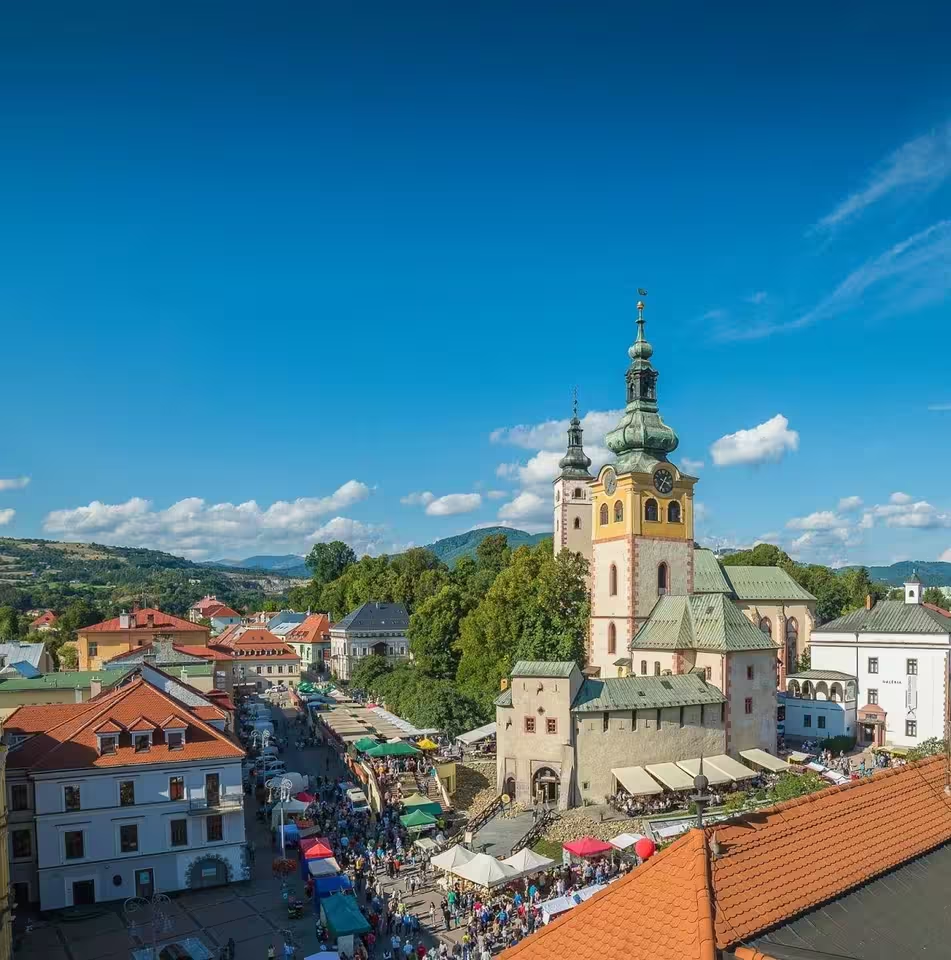
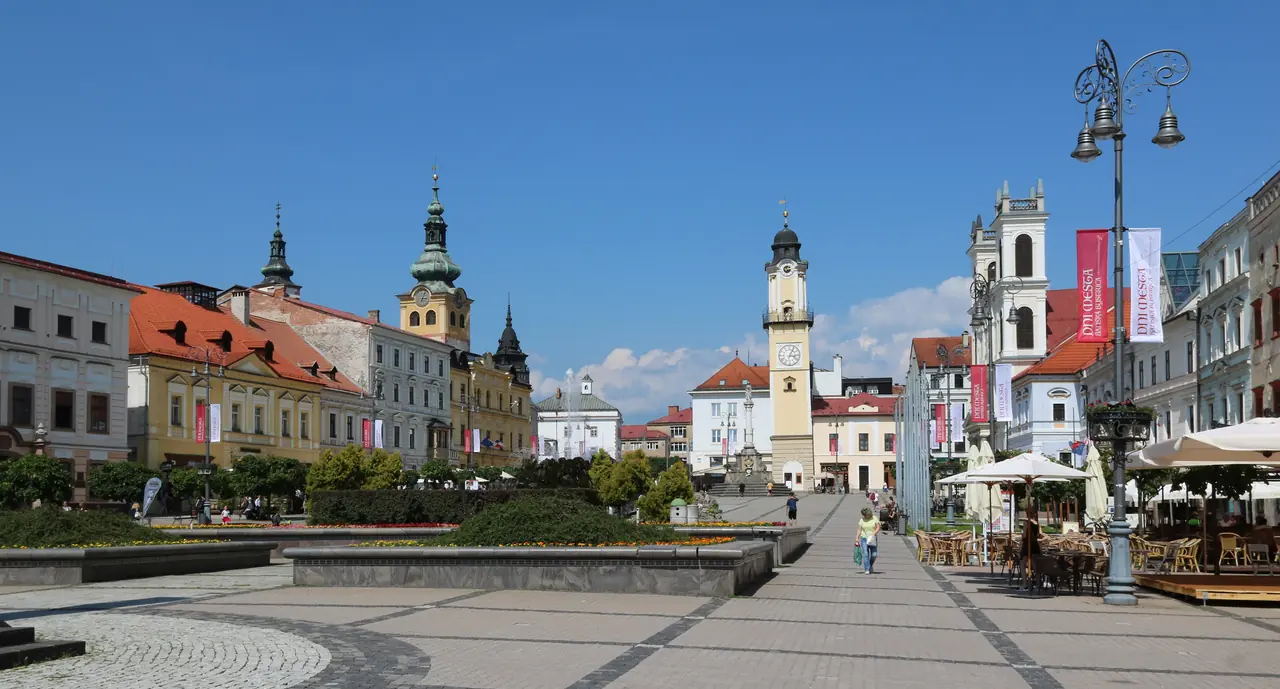
SNP Square in the historic centre of Banská Bystrica
Destination overview

A copper-mining city where Gothic heritage and modern resistance history meet

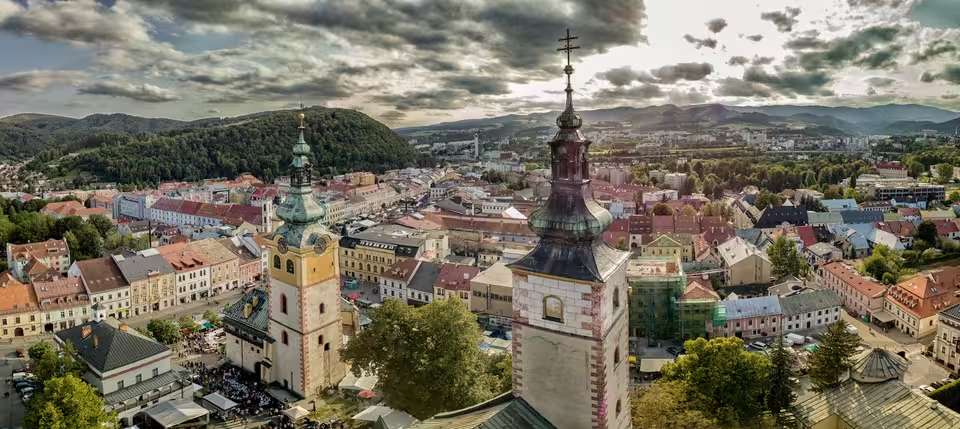
Banská Bystrica grew beside the Hron River at the meeting point of important routes through central Slovakia. Medieval mining wealth transformed the settlement into a royal town and financed the churches, town houses and civic buildings that still define its historic centre.

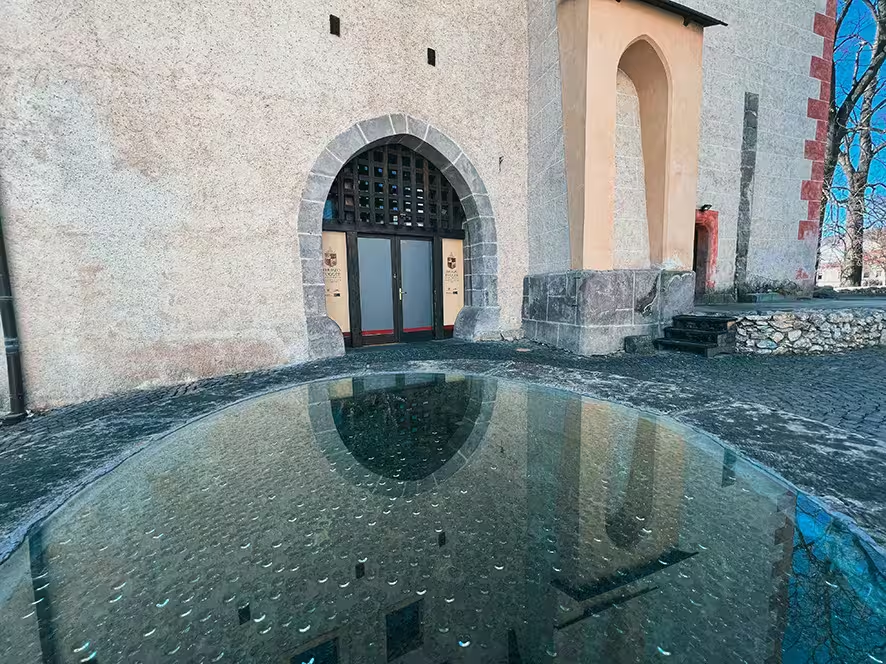
The city’s most prosperous period came during the fifteenth and sixteenth centuries, when the Thurzo–Fugger copper enterprise connected local mines and smelters with European trade. That international commercial network left a visible architectural legacy around today’s SNP Square and in the fortified castle precinct above it.

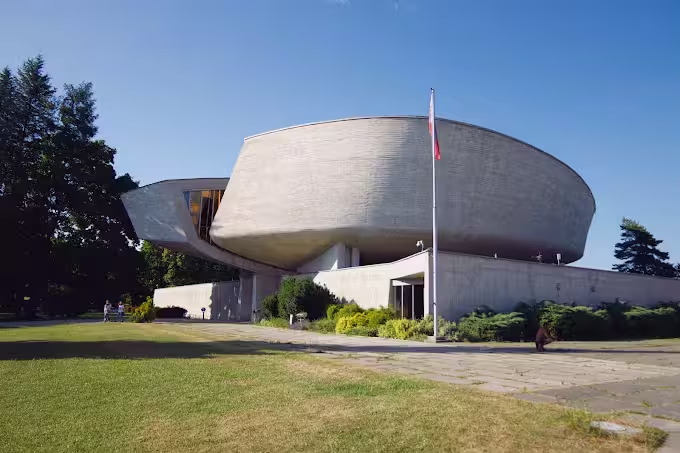
Banská Bystrica also holds a central place in Slovakia’s twentieth-century history. In 1944 it became the political and military centre of the Slovak National Uprising against the wartime regime and Nazi occupation. The Museum of the Slovak National Uprising presents this history in a distinctive modernist memorial complex close to the historic centre.

Discover

Top things to do

Attractions, activities and experiences kept separate from stays and dining.

See all things to do in Banská Bystrica
By interest

Browse things to do by category

Banská Bystrica

Suggested itineraries

Routes that connect individual stops into a clear day.

View all
Banská Bystrica

Where to stay

Hotels, guesthouses and accommodation only.

View all
Banská Bystrica

Where to eat

Restaurants and dining venues in their own selection.

View all
Before you go

Practical destination guidance

Recommended duration

1–2 days in the city; 3–4 days with regional excursions

Best time to visit

May to October offers the best conditions for walking, viewpoints and regional excursions. Winter is suitable for museums, city culture and nearby mountain resorts.

Getting around

The historic centre is compact and best explored on foot. The main railway and bus stations are within walking distance or a short local-bus ride. Regional buses serve nearby villages, while a car is useful for mountain and mining destinations.