Attractions and landmarks
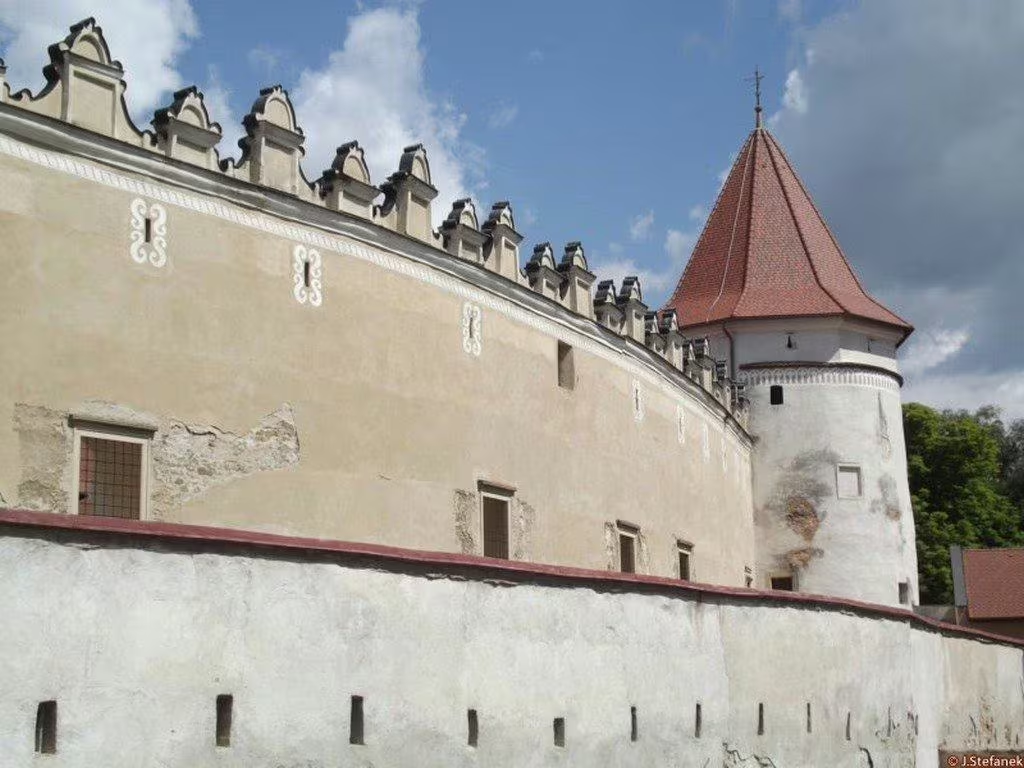
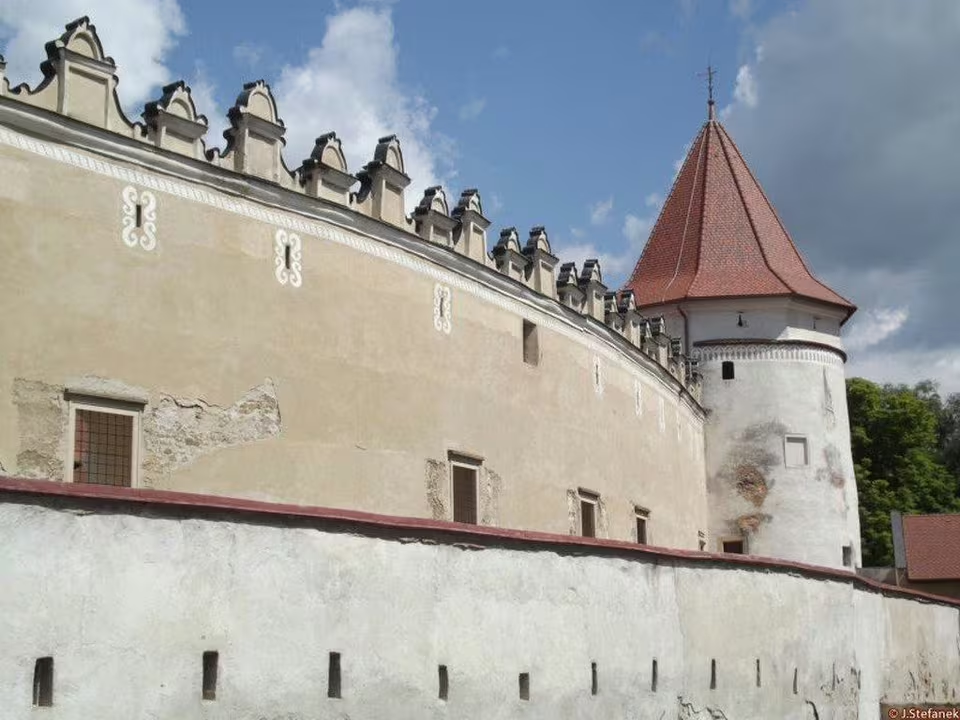
Kežmarok Castle
A moated castle-museum in the heart of Kežmarok, exhibiting historic vehicles, guild crafts and weapons since 1931.
Prešov Region, Slovakia
A historic Spiš free royal town chartered in 1269, home to a fortified castle-museum and a UNESCO-listed wooden church built entirely without metal.
Kežmarok was chartered in 1269 and rose to prominence as a free royal town and commercial hub in the 15th century, later becoming the birthplace of Hungarian magnate Imre Thököly in 1657. Its historic core still reflects that trading wealth, anchored by a moated castle that has served as a town museum since 1931, with exhibits covering historic vehicles, firefighting equipment, guild crafts and weapons.
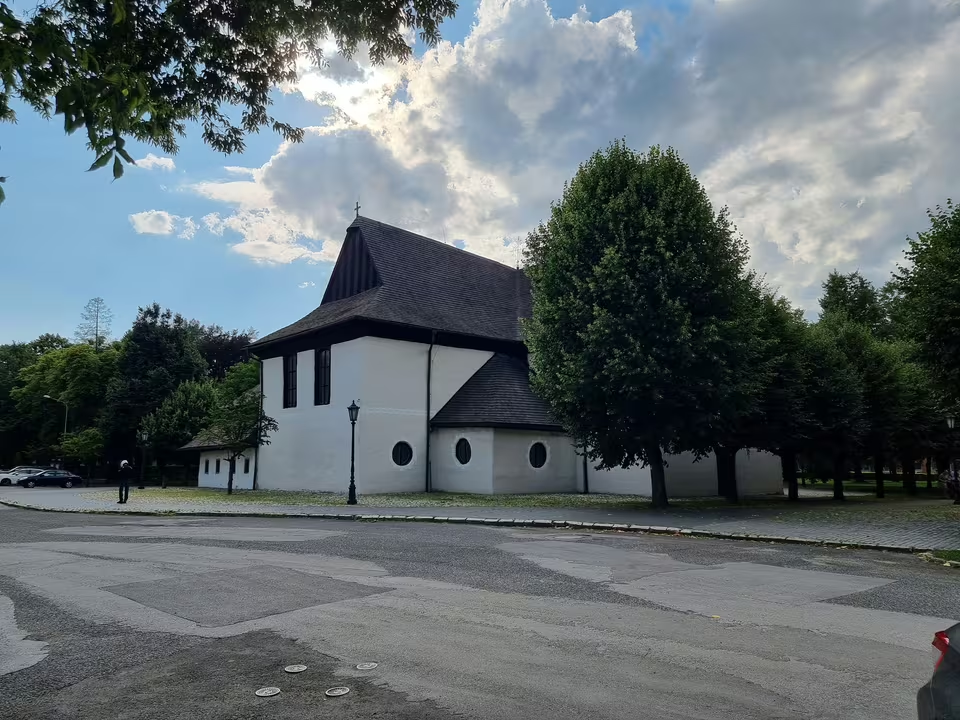
A few streets away stands the Wooden Articular Church of the Holy Trinity, built in 1717 entirely from yew and red spruce without a single metal nail, next to an older 1593 stone sacristy. Its Greek-cross floor plan and completely wooden construction reflect the strict building rules imposed on Protestant congregations under Habsburg rule, and the church was inscribed onto the UNESCO World Heritage list in 2008 as part of the Wooden Churches of the Slovak Carpathians.

Attractions, activities and experiences kept separate from stays and dining.
Attractions and landmarks
A moated castle-museum in the heart of Kežmarok, exhibiting historic vehicles, guild crafts and weapons since 1931.
Attractions and landmarks
A 1717 wooden church built entirely without metal fixings, part of the UNESCO Wooden Churches of the Carpathian Area.
Half a day to 1 day
May to September gives the fullest daily opening hours for both the castle and the wooden church. From October to April both sites keep shorter weekday-only hours.
Kežmarok's historic core is compact and walkable, with the castle, main square and wooden church all within a 10-minute walk of each other. The town has regular train and bus connections to Poprad and the High Tatras, roughly 15 to 20 minutes away.