Skip to content
Trelovanta
Destination guide

Rožňava

Košice Region, Slovakia

A former medieval mining town and Roman Catholic diocesan seat since 1776, and the main gateway town to the UNESCO-listed Slovak Karst caves.

Things to do
3
Trips
0
Stays
0
Restaurants
0
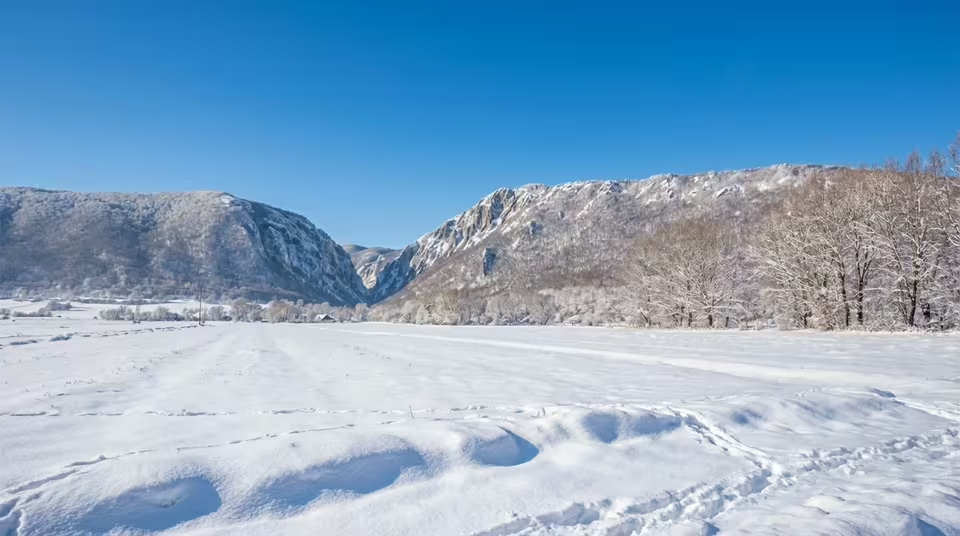
Zádiel Gorge — image 1
Destination overview

A former mining town and cathedral city at the gateway to the Slovak Karst

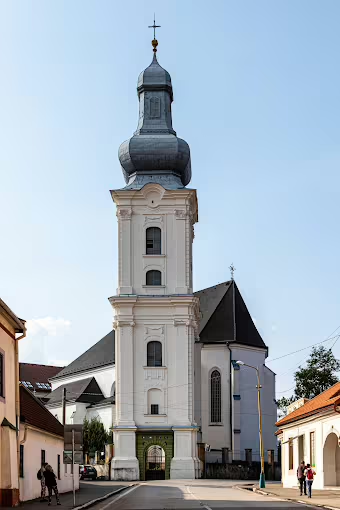
Rožňava was first documented in 1291 and granted royal free town status in 1410, thriving for centuries on gold, silver and iron mining until the Ottoman conquest of southern Hungarian territories in the 16th century cut the town off from its markets. Mining wealth built the Gothic church at the heart of the main square, completed in 1304 and elevated to cathedral status when the Diocese of Rožňava was founded in 1776; it still holds a valued 1513 panel painting known as the Rožňava Metercia.

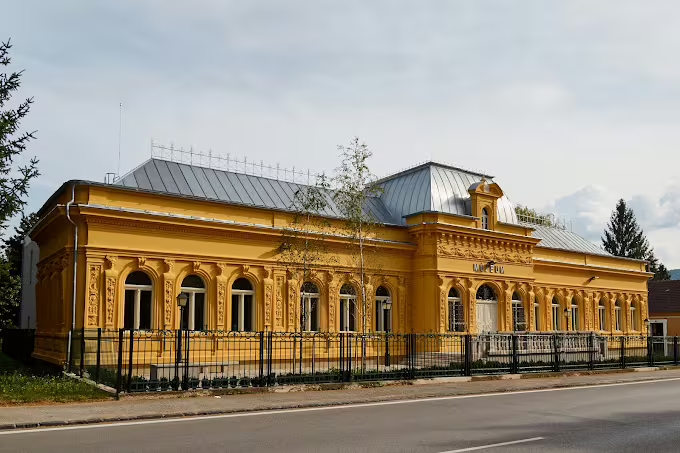
The town's mining history is documented in detail at the Mining Museum, spread across several historic buildings including a modern Discovery Centre with timed exhibits on the region's gold, silver and iron industries. Rožňava also serves today as the main gateway town for visitors heading into the Slovak Karst, a UNESCO World Heritage Natural Site shared with Hungary's Aggtelek Karst and home to show caves including Domica and Gombasecká.

Discover

Top things to do

Attractions, activities and experiences kept separate from stays and dining.

See all things to do in Rožňava
By interest

Browse things to do by category

Before you go

Practical destination guidance

Recommended duration

Half a day in town; a full day with a Slovak Karst cave visit

Best time to visit

May to September suits both the town centre and any extension into the Slovak Karst caves, several of which keep shorter or closed hours outside the warmer months.

Getting around

Rožňava's historic centre is compact and walkable around the main square. The Slovak Karst caves lie a short drive south of town, generally requiring a car or organised tour, as public transport connections to individual caves are limited.