Skip to content
Trelovanta
Destination guide

Bratislava Region

Bratislava Region, Slovakia

Slovakia’s compact capital region combines Danube landscapes, Little Carpathian vineyards, royal castles and easy cross-border connections.

Things to do
8
Trips
2
Stays
1
Restaurants
1
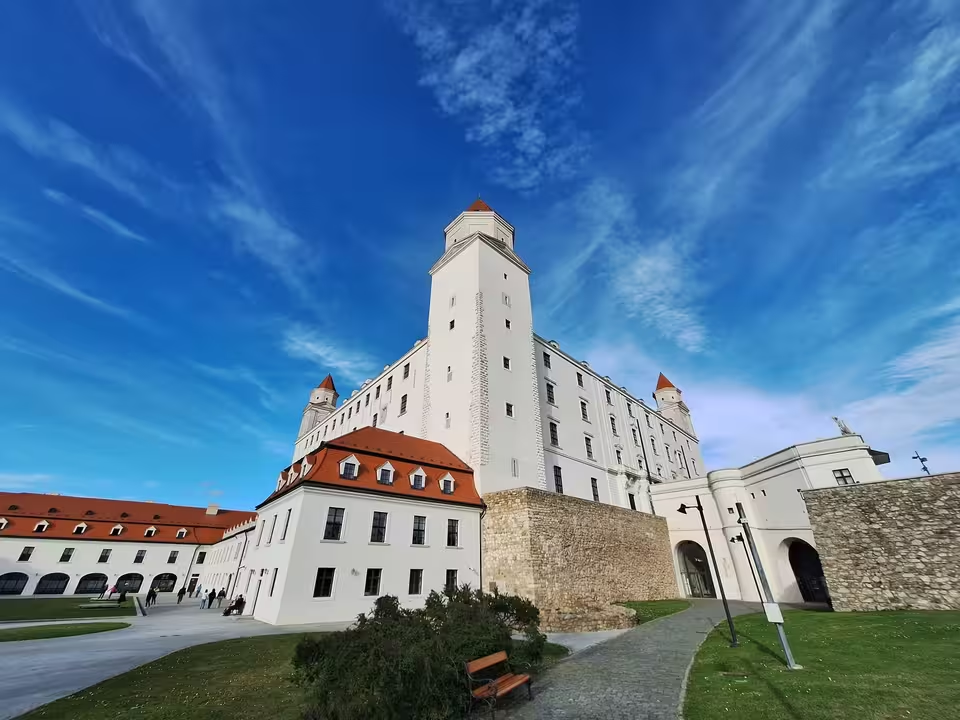
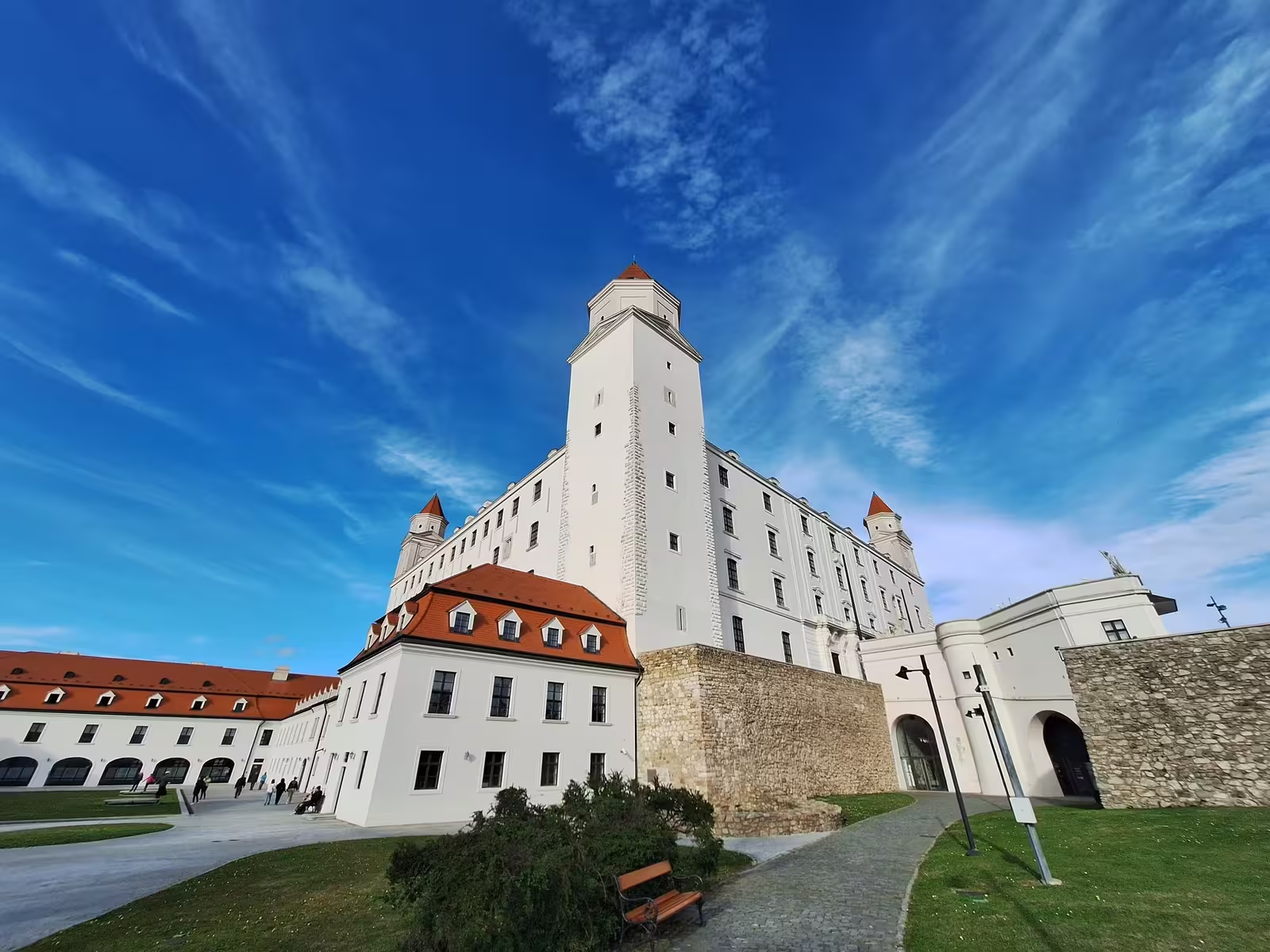
Bratislava Castle in Bratislava
Destination overview

A capital region where city culture, wine country and river landscapes meet

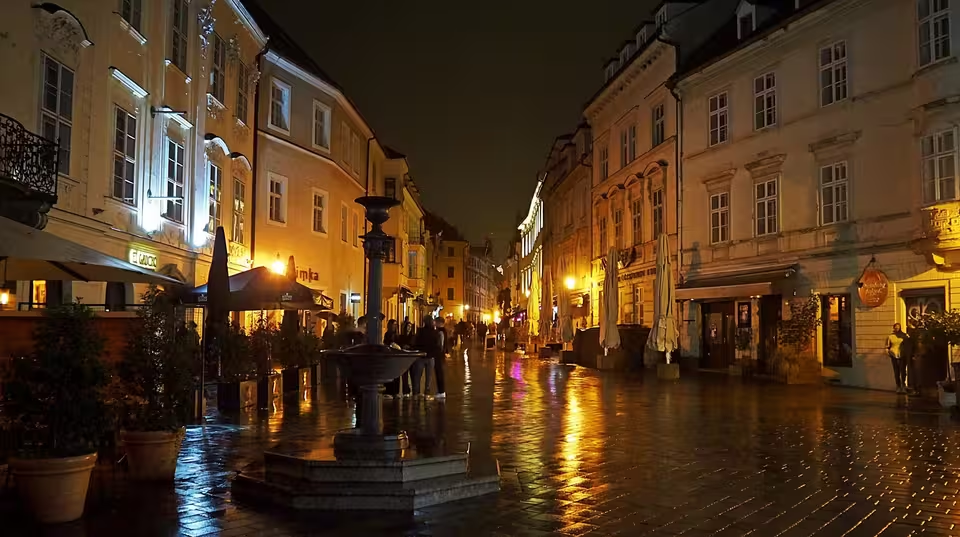
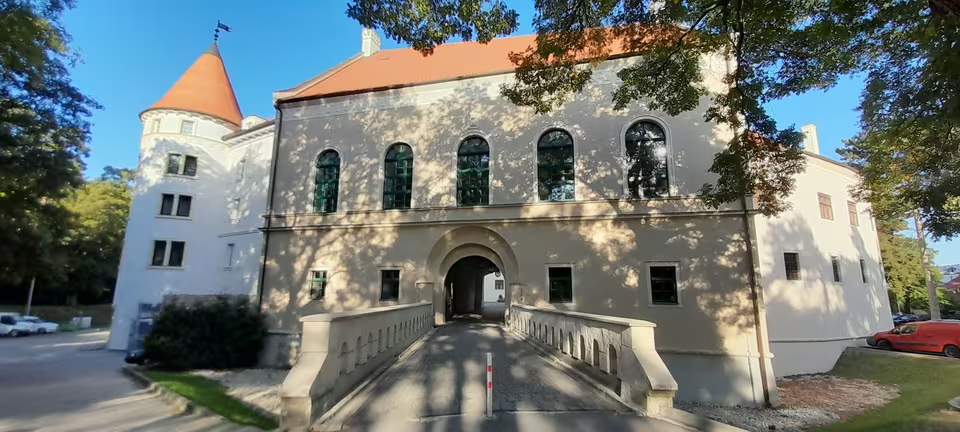
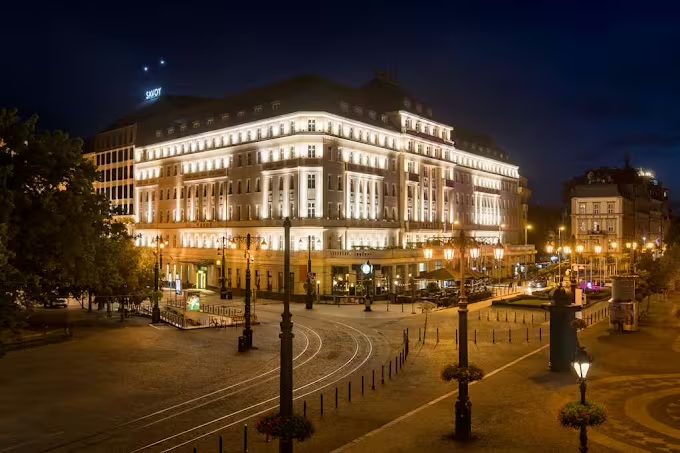
Bratislava Region occupies Slovakia’s south-western corner, where the Danube and Morava form natural corridors toward Austria and Hungary. The capital provides the region’s principal concentration of museums, architecture, restaurants and cultural life, but the wider territory changes character quickly beyond the city limits.

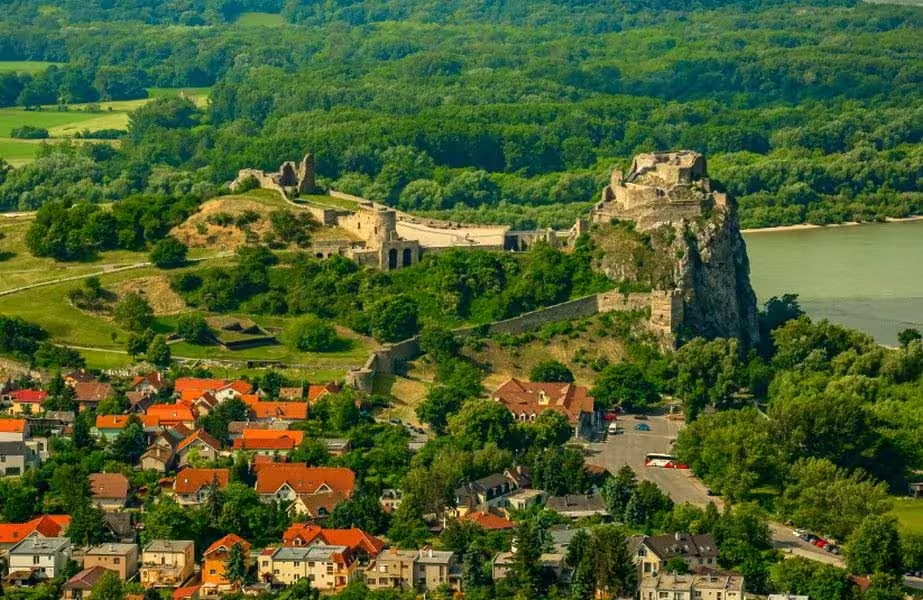
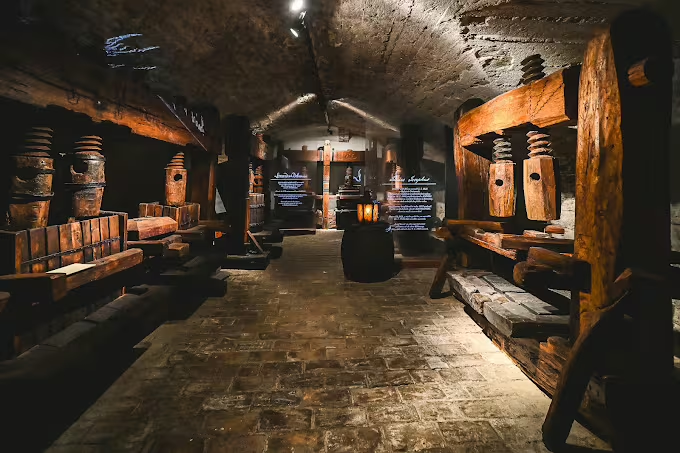
The foothills of the Little Carpathians introduce vineyards, forest trails and historic wine towns such as Pezinok, Modra and Svätý Jur. Further west, the Morava floodplain, Devín and the former border landscape reveal a different side of the region, shaped by rivers, fortifications and twentieth-century history.

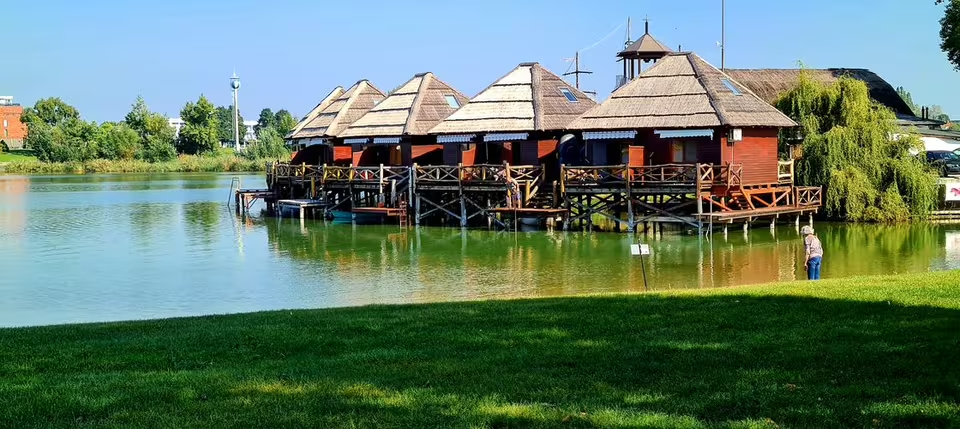
Because distances are short, the region works particularly well for travellers who want to combine an urban break with day trips. Castles, wine routes, wetlands and cycling paths can all be reached without committing to long transfers.

Discover

Top things to do

Attractions, activities and experiences kept separate from stays and dining.

See all things to do in Bratislava Region
Bratislava Region

Suggested itineraries

Routes that connect individual stops into a clear day.

View all
Bratislava Region

Where to stay

Hotels, guesthouses and accommodation only.

View all
Bratislava Region

Where to eat

Restaurants and dining venues in their own selection.

View all
Before you go

Practical destination guidance

Recommended duration

3–5 days

Best time to visit

April to June and September to October are ideal for city walks, cycling and vineyard visits. Summer suits river activities and events, while autumn brings the wine harvest season.

Getting around

Bratislava is the main transport hub. Regional trains and buses serve the larger wine towns and settlements, while a car or bicycle provides greater flexibility for castles, forest areas and smaller villages.