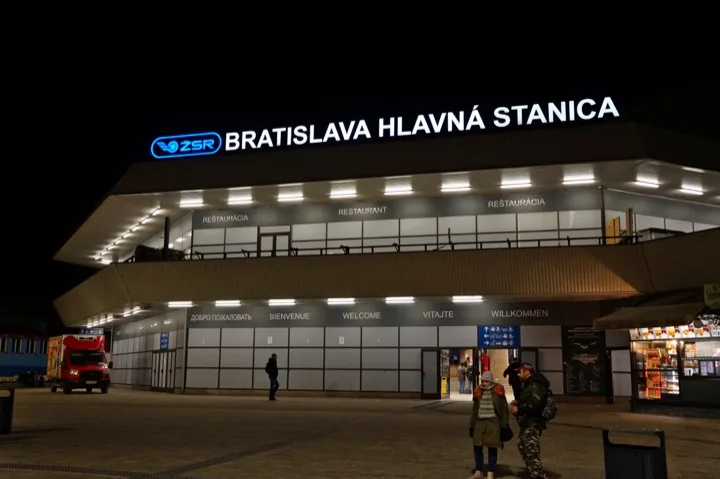
Slovakia sits surrounded by some of Europe's most visited capitals — Prague a few hours northwest, Vienna an hour from Bratislava, Budapest not much further south. It's an unfortunate spot on the map for tourism marketing, and a genuinely fortunate one for visitors who make it here anyway.
The comparison isn't really fair
Prague, Vienna and Budapest built their tourism industries over decades of heavy international marketing and Cold War-era name recognition that Slovakia, as a country only formally independent since 1993, never had the same runway to develop. That's a marketing gap, not a quality gap.
What that means in practice
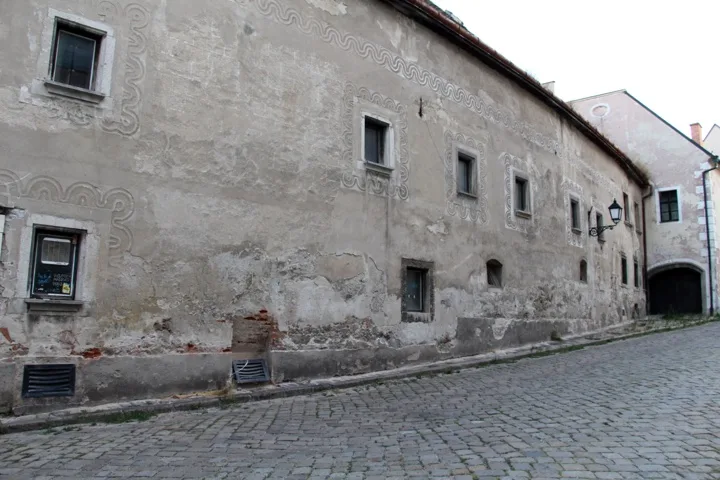
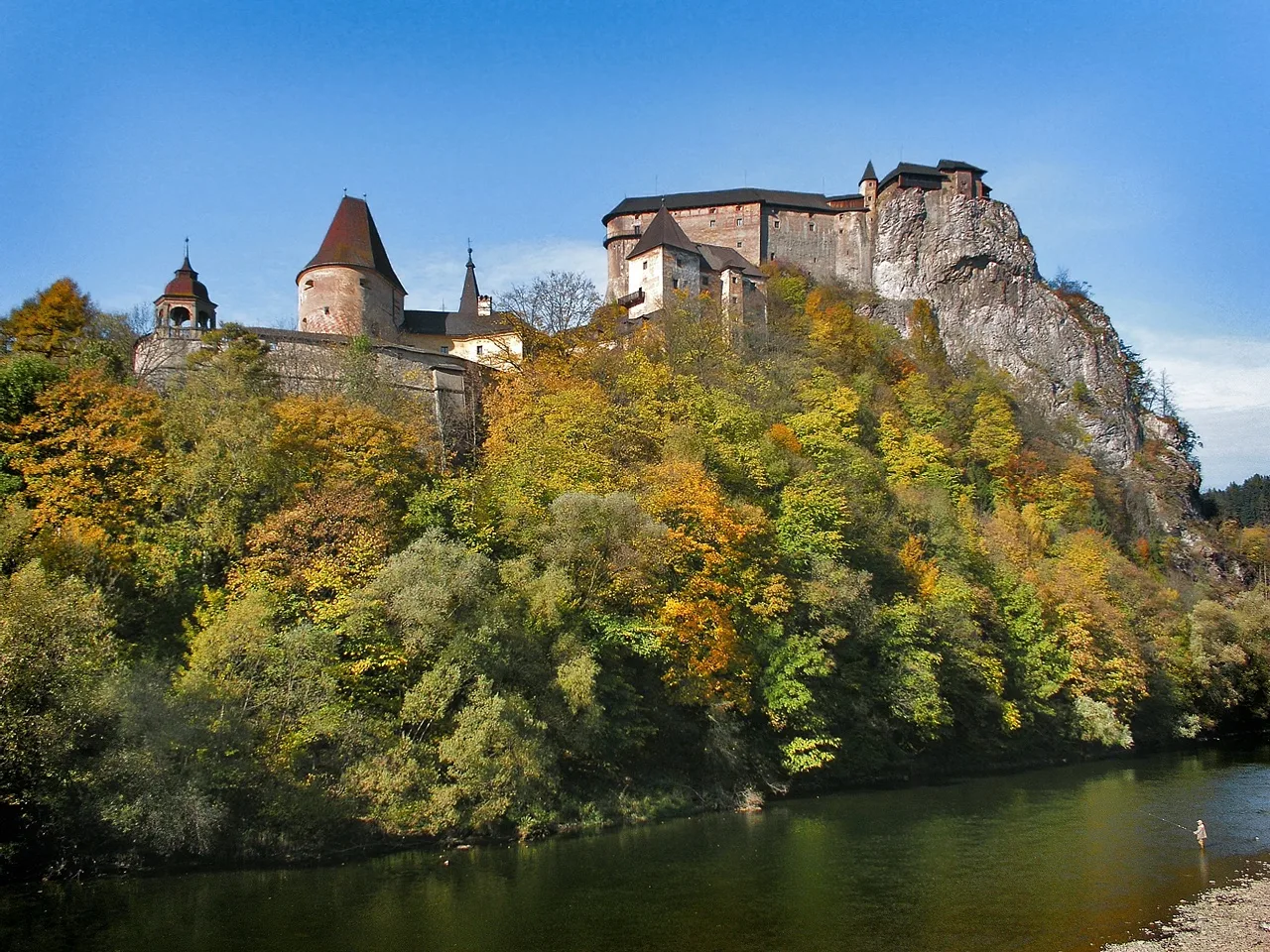
Sites that would carry long queues and timed-entry tickets in neighbouring capitals are often walk-in and unhurried in Slovakia. Banská Bystrica's historic centre, Zvolen's castle, and Kremnica's centuries-old mint all offer a level of access and quiet that's increasingly rare at more famous sites elsewhere in the region.
Where Slovakia genuinely differs
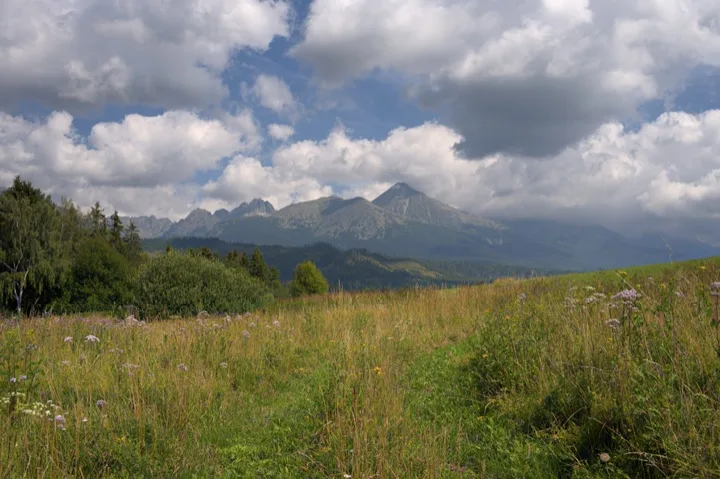
Beyond the crowd difference, Slovakia's central regions offer a mountain-and-small-town character that's distinct from the grand imperial architecture of Vienna or Budapest — closer in spirit to Banská Štiavnica's dramatic caldera setting than to a boulevard city.
Our honest take
We wouldn't suggest skipping Prague, Vienna or Budapest — they're genuinely excellent cities. But treating Slovakia as an afterthought or a single day trip misses what's actually here: a country whose smaller scale and lower profile translate directly into a calmer, less commercialised way to travel.
Where to start
If you're building a longer Central European trip, our weekend in central Slovakia guide is a practical starting point for the region that best captures this difference.