Slovakia has one of the more affordable and reasonably dense rail and bus networks in Central Europe, and for most of the country's highlights, a car is a convenience rather than a necessity. The exception is rural castles and small villages off the main lines, where a car or a local taxi saves real time.
Trains: slower but scenic
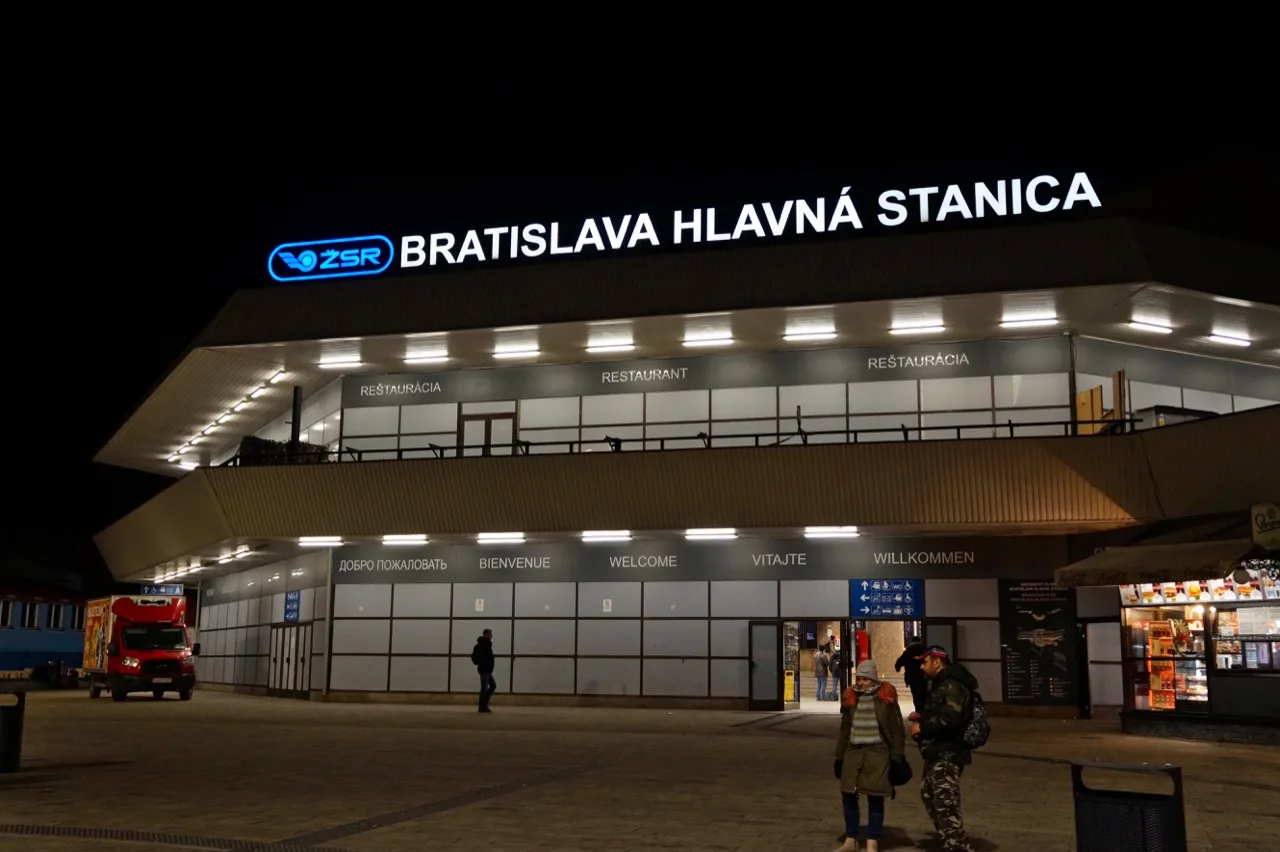
The state operator runs regular services between Bratislava, Banská Bystrica, Košice and the towns along the way. Trains are inexpensive and comfortable enough, though not always fast — Bratislava to Košice can take around five hours on a direct InterCity service. The upside is scenery: the route through central Slovakia runs close to river valleys and forested hills for long stretches.
Buses: often faster for shorter hops
For distances under two or three hours, intercity buses are frequently quicker than the train and just as cheap. This is especially true for reaching smaller towns like Banská Štiavnica, which isn't directly on a main rail line — the bus from Bratislava or Zvolen is the simplest way in.
Realistic travel times
- Bratislava to Banská Bystrica: about 2.5–3 hours by train or bus.
- Bratislava to Banská Štiavnica: around 3 hours, usually with one change.
- Bratislava to the High Tatras: roughly 4 hours by direct train.
- Banská Bystrica to Zvolen: under 30 minutes — the two towns are close neighbours.
Booking and tickets
Both the national rail operator and the main bus companies sell tickets online in English, and paying on board is usually fine for shorter regional routes. If you're moving between several towns in one trip, it's worth checking timetables a day ahead rather than assuming frequent service — rural connections can run just a handful of times a day.
When a car actually helps
If your route includes several rural attractions in one day — say, combining a castle with a hiking trailhead — a rental car removes a lot of friction. For a city-and-town itinerary like Bratislava, its castles and the Danube, public transport is more than enough.