A medieval arcaded square at the heart of a river-confluence regional capital
The compact historic core of Žilina, centred on Mariánske námestie’s preserved medieval arcaded houses and the Church of the Holy Trinity, elevated to cathedral status in 2008.
What to look for during your visit
4 highlightsWalk Mariánske námestie beneath its preserved medieval arcades
See the Church of the Holy Trinity, a cathedral since February 2008
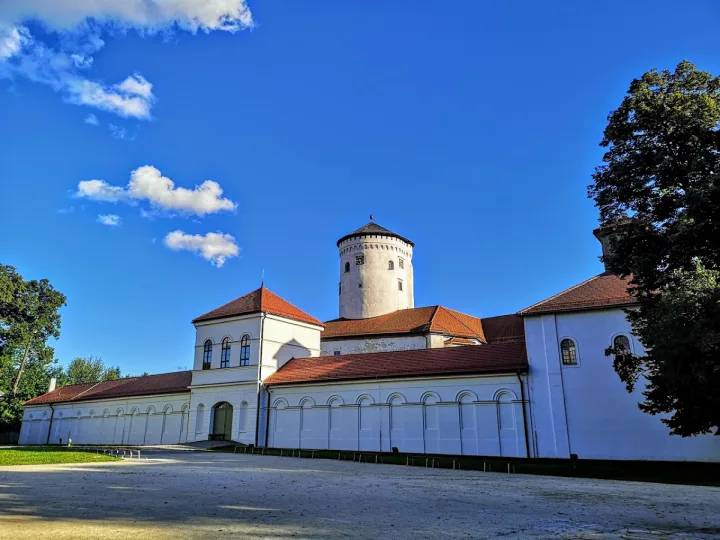
Combine the square with a visit to nearby Budatín Castle
Use the centre as a base for the Malá Fatra, Kysuce and Orava regions
A place shaped across centuries
Žilina developed at the confluence of the Kysuca and Váh rivers into one of northern Slovakia’s key regional centres. Mariánske námestie, the town’s main square, retains its medieval arcaded burgher houses, while the Church of the Holy Trinity, built around 1400, was elevated to cathedral status for the Diocese of Žilina in February 2008, reflecting the city’s growing regional importance.
What to expect when you arrive
The square's arcades shelter cafés and shops beneath the historic burgher houses, with the Church of the Holy Trinity forming the square's religious anchor. The historic core sits within easy reach of Budatín Castle to the north, allowing visitors to combine the square with the castle's museum and riverside park.
A closer look
5 photographsPlan your visit
Address
Mariánske námestie, 010 01, Žilina
Best time to visit
The compact, largely pedestrian core suits a visit in any season, with April to October best for combining it with Budatín Castle’s outdoor park.
Getting there
Mariánske námestie sits in central Žilina, within walking distance of the train and bus stations.
Accessibility and terrain
The square and surrounding streets are paved and level, suiting wheelchairs and strollers.
Combine it with
Continue exploring nearby
Budatín Castle lies a short bus ride north at the confluence of the Kysuca and Váh rivers, making a natural extension to a visit.