In much of Europe, folk tradition has become something preserved mainly in museums. In parts of central Slovakia, it's still an active, living practice — passed down through families, performed at real festivals, not just staged for visitors.
Folk festivals
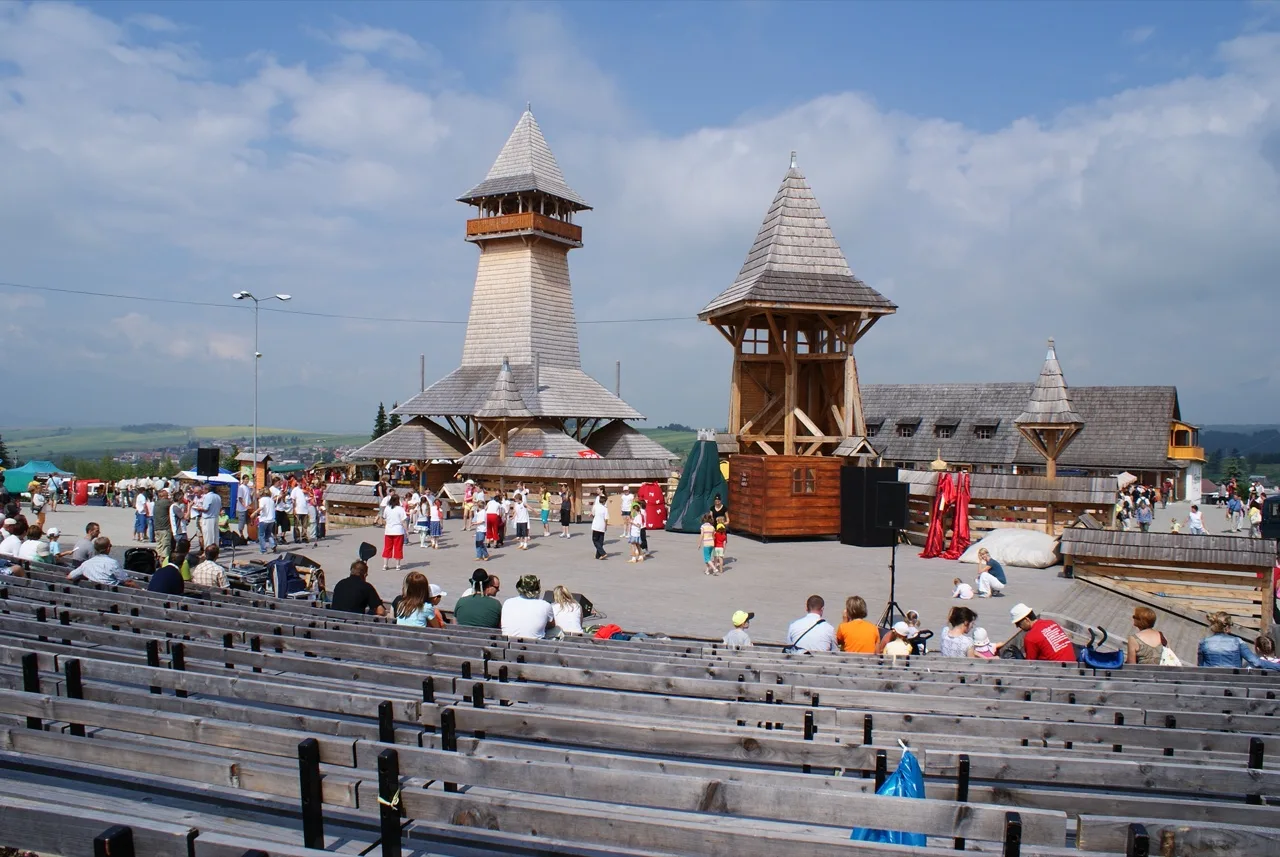
The village of Východná, in the Liptov region, hosts one of the country's most significant folk festivals each summer, drawing performers and craftspeople from across Slovakia and neighbouring countries to showcase traditional music, dance and costume in a setting that still feels genuinely local rather than purely for tourists.
Where the tradition runs deepest
Central Slovak regions around Banská Bystrica and Zvolen maintain some of the strongest continuous folk traditions in the country, partly due to the area's relative isolation across earlier centuries, which allowed distinct local costume and music styles to develop and persist.
Craft and costume
Traditional Slovak folk costume varies noticeably by region — colours, embroidery patterns and headwear all signal a specific area rather than a generic national style. Regional museums, including the exhibits within the Museum of the Slovak National Uprising complex in Banská Bystrica, offer useful context alongside the region's more recent history.
Music
Traditional string-and-cimbalom folk ensembles remain a fixture at regional celebrations and festivals rather than a purely archival curiosity, and it's not unusual to hear live folk music at a local event with no tourist audience in mind at all.
A visitor's note
If your visit doesn't coincide with a major festival, regional museums and craft workshops still offer a genuine window into these traditions — just don't expect a staged performance on demand outside festival season.