
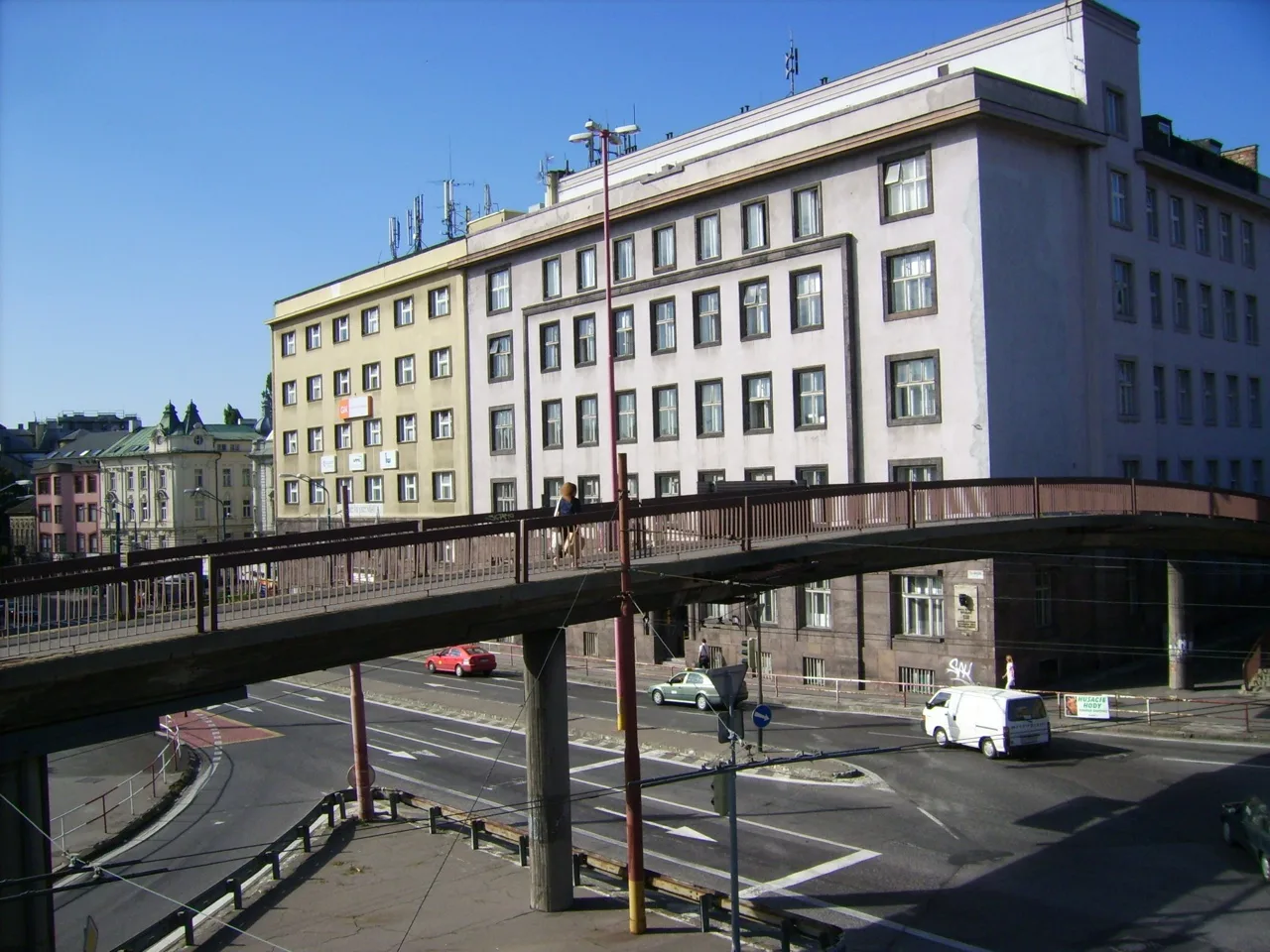
Slovakia consistently ranks among the safer countries in the European Union for travellers, with low rates of violent crime and a generally calm, orderly atmosphere in both cities and rural areas. That doesn't mean zero caution is needed — just that the concerns are the ordinary ones, not unusual ones.
Bratislava and city centres
Walking through Bratislava's Old Town at night is unremarkable and common among both locals and visitors. As in any capital city, petty theft and pickpocketing can occur in crowded tourist areas, so the same common sense you'd use in Vienna or Prague applies here.
Public transport and getting around
Trains and buses are safe and well used by all age groups, including solo travellers and families. Late-evening services in smaller towns can be infrequent, which is more of a planning inconvenience than a safety issue — check our guide to getting around Slovakia without a car for realistic timetables.
Nature and hiking
The main real risk for visitors is underestimating the mountains. Weather in the High Tatras can change quickly, and trails that look easy on a map can involve serious elevation gain. Checking conditions, carrying proper layers, and telling someone your route are sensible precautions rather than paranoia.
Rural areas and small towns
Towns like Banská Štiavnica and Kremnica are, if anything, quieter and lower-crime than Bratislava, and are popular for exactly that reason among Slovak families on weekend trips.
Our honest take
We wouldn't hesitate to recommend Slovakia to a solo traveller, a family, or first-time visitors to Central Europe. The practical precautions are the same ones sensible travellers take anywhere: watch your belongings in crowds, check mountain weather before hiking, and keep an eye on last transport times in smaller towns.